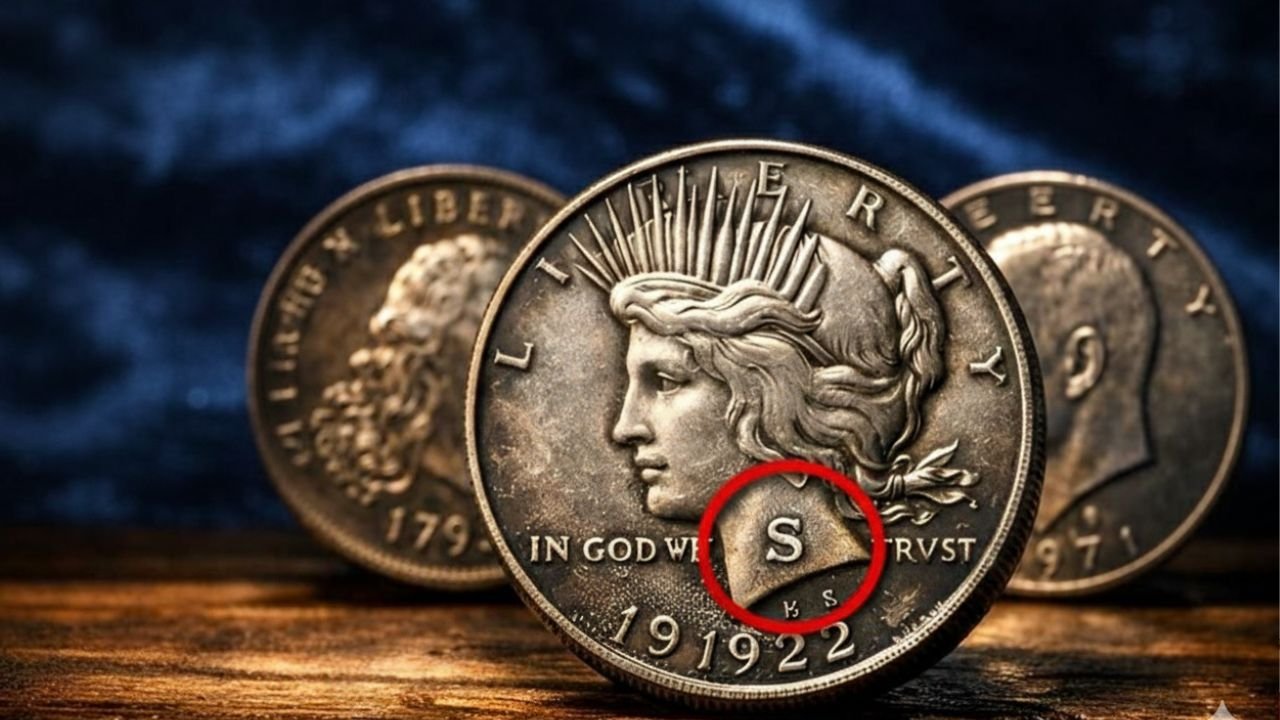
Top 3 Valuable Dollar Coins: Every coin in your pocket or purse is a tiny piece of history, and sometimes, it can also be a hidden treasure. While dollar coins aren’t as common in daily transactions as quarters or dimes, they occasionally surface in change from transit systems, banks, or vending machines. For the observant individual, this presents an exciting opportunity. Certain dollar coin variants, due to unique minting errors, limited promotional runs, or design changes, have become highly sought-after by collectors. This guide explores three such coins, not as distant museum pieces, but as finds that have genuinely turned up in circulation, transforming an ordinary moment into a memorable discovery.
The Distinguishing Features of Collectible Dollar Coins
What makes a common coin valuable? It often boils down to a combination of rarity, historical context, and a noticeable variation from the standard issue. These variations might be subtle—a slightly different rim, enhanced details, or an alternative design used for only a short period. Understanding these details turns the routine act of checking your change into a fun and educational treasure hunt. The stories behind these coins connect us to moments in American history, from space exploration to social change and innovative marketing.
Information Table Key Details at a Glance
| Coin & Variety | Key Identifying Feature | Reason for Rarity | Potential Value (Circulated) |
|---|---|---|---|
| 1979-P SBA Dollar (Wide Rim) | Wider, flat rim. Date is farther from the coin’s edge. | Earlier production adjustment; fewer struck with this design. | $10 – $100+ |
| 2000-P Sacagawea “Cheerios” Dollar | Eagle’s tail feathers are sharply defined with clear, separated lines. | Special promotional issue; only ~5,500 released in cereal boxes. | $2,000 – $5,000+ |
| 1972 Eisenhower Dollar (Type 2 Reverse) | Detailed, defined islands of Florida on the Earth on the reverse. | Short-lived design modification for the year. | $50 – $300+ |
The 1979 Susan B. Anthony Dollar A Tale of Two Rims
The Susan B. Anthony dollar, minted from 1979 to 1981 and again briefly in 1999, was America’s first small-size dollar coin. Its similarity in size and color to the quarter led to public confusion and its limited use. However, this very first year of issue holds a interesting secret. Early production runs featured a coin with a “Narrow Rim” or “Near Date,” where the date appears close to the rim. Partway through the year, the U.S. Mint adjusted the design to create a wider, more pronounced rim, moving the date slightly farther from the edge. This “Wide Rim” variety was produced in smaller quantities, particularly at the Philadelphia Mint. While a standard 1979-P dollar is worth face value, identifying a “Wide Rim” version can be rewarding. Finding one in circulation is a lesson in paying attention to minute design elements, and in higher grades, such a coin can hold a significant premium over its one-dollar face value.
The 2000-P Sacagawea Dollar The “Cheerios” Promotional Rarity
To promote the new golden-dollar coin in 2000, the U.S. Mint partnered with General Mills. Special 2000-P Lincoln cents and a small number of brand-new Sacagawea dollars were placed inside millions of boxes of Cheerios cereal. These promotional Sacagawea dollars are distinct from the billions minted for general circulation. They exhibit sharply defined, detailed tail feathers on the eagle on the reverse—a characteristic of the original master die. Coins struck for circulation later that year used a modified die with less feather detail to reduce wear. An estimated 5,500 of these “Cheerios Dollars” were distributed, making them a genuine modern rarity. The idea of finding one in circulation today is remote, but not impossible, as they entered the economy like any other coin. Their discovery represents a fascinating intersection of everyday life, savvy marketing, and numismatic history, with values reaching into the thousands of dollars for a pristine example.
The 1972 Eisenhower Dollar The Type 2 Reverse Distinction
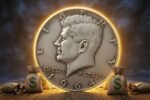
The large and hefty Eisenhower dollar commemorated both a president and the Apollo 11 moon landing, symbolized by an eagle clutching an olive branch landing on the moon on its reverse. In 1971, the initial design (Type 1) showed a somewhat stylized Earth. For 1972, the mint initially used a new reverse (Type 2) with a more detailed and realistic depiction of Earth, particularly the islands of Florida. This design was used only briefly before being modified again (to Type 3) because the details were too sharp and prone to wear. Consequently, the 1972 Eisenhower dollars with the Type 2 reverse are the scarcest of the series for circulation strikes. Discerning this variety requires a careful look at the level of detail on the Florida peninsula. For collectors, finding a circulated 1972 Type 2 dollar in a batch of old coins is a notable achievement, as it represents a short-lived artistic choice in a coin celebrating American achievement.
Frequently Asked Questions (FAQ)
Q: Where is the best place to look for these dollar coins?
A: Check rolls of dollar coins from banks, change from toll booths, bus or metro card machines, and coin-operated laundry facilities. Vending machines that give dollar coin change are also a good source.
Q: I think I found one. What should I do next?
A: Handle the coin by its edges to preserve its condition. Compare it closely to high-resolution images online from reputable sources like the PCGS or NGC photo galleries. For a definitive identification and valuation, consider consulting a local coin dealer or submitting it to a professional grading service.
Q: Are modern dollar coins, like the Presidential or Native American series, valuable?
A: While most are worth face value, some have low-mintage years or errors. It’s always worth checking mintages online and examining coins for striking errors or unique features.
Q: Why is the “Cheerios” dollar so valuable if it’s not an old coin?
A: Value in coin collecting is driven by scarcity and demand. With only about 5,500 released, it is exceptionally rare compared to the billions of other Sacagawea dollars minted. Its unique backstory and status as a first-year issue add to its collectibility.
Q: Do I need expensive equipment to start searching?
A: Not at all. A simple magnifying glass or jeweler’s loupe (5x to 10x magnification) is perfect for examining details like rim width or feather lines. The most important tools are patience and knowledge.
The pursuit of these coins is more than a search for monetary value; it’s a gateway to history, design, and the thrill of discovery. Each dollar coin carries a narrative—of social progress, technological triumph, or commercial creativity. By taking a closer look at the change we receive, we engage in a personal archaeology, uncovering layers of story minted in metal. The next time a golden or silver-dollar coin finds its way to you, pause for a moment. You might be holding a commonplace object, or you might be holding a singular piece of the past, waiting to be recognized.