Valuable U.S. Coins in 2026 : Coin collecting, or numismatics, is a passion that marries art, history, and economics. In 2026, the market for rare U.S. coins remains dynamic, with certain pieces achieving values that reflect their historical significance, artistic merit, and extreme scarcity. These coins are not mere currency; they are tangible fragments of a nation’s story, each with a unique journey from mint to modern-day collection. This guide explores some of the most sought-after American coins, the factors that determine their worth, and the vibrant market that sustains collector interest today.
Highlights of Numismatic History
The 1933 Double Eagle stands as a titan of American numismatics. Its story is one of intrigue and legal drama. Minted during the Great Depression but never officially released due to a shift away from the gold standard, most of these $20 pieces were ordered destroyed. The few that escaped have become legendary, with each public sale setting new benchmarks. Its value is anchored in its perfect storm of beauty, historical context, and profound rarity.
As the first silver dollar issued by the United States, the 1794 Flowing Hair Dollar holds an irreplaceable position. It represents the fledgling nation’s ambition to establish a robust monetary identity. The coin’s design, featuring a portrait of Liberty with flowing tresses, is a direct reflection of early American artistic sensibility. Surviving specimens in high grades are exceedingly rare, making ownership a privilege reserved for the most serious institutions and collectors.
The 1913 Liberty Head Nickel is a coin shrouded in mystery. With only five known examples, its very existence is curious, as the Liberty Head design was officially replaced by the Buffalo Nickel in 1913. The origins of these five strikes remain a topic of debate, adding an element of detective work to its allure. Each public appearance of one of these nickels is a monumental event, underscoring its status as a “must-have” for comprehensive collections.
Often called the “King of American Coins,” the 1804 Draped Bust Dollar is a study in numismatic paradox. While bearing the date 1804, the specimens known today were actually minted decades later as diplomatic gifts for Asian rulers. This anachronism, combined with its exquisite design and minuscule surviving population, cements its iconic status. It is less a circulating coin and more a historical artifact, crafted for presentation.
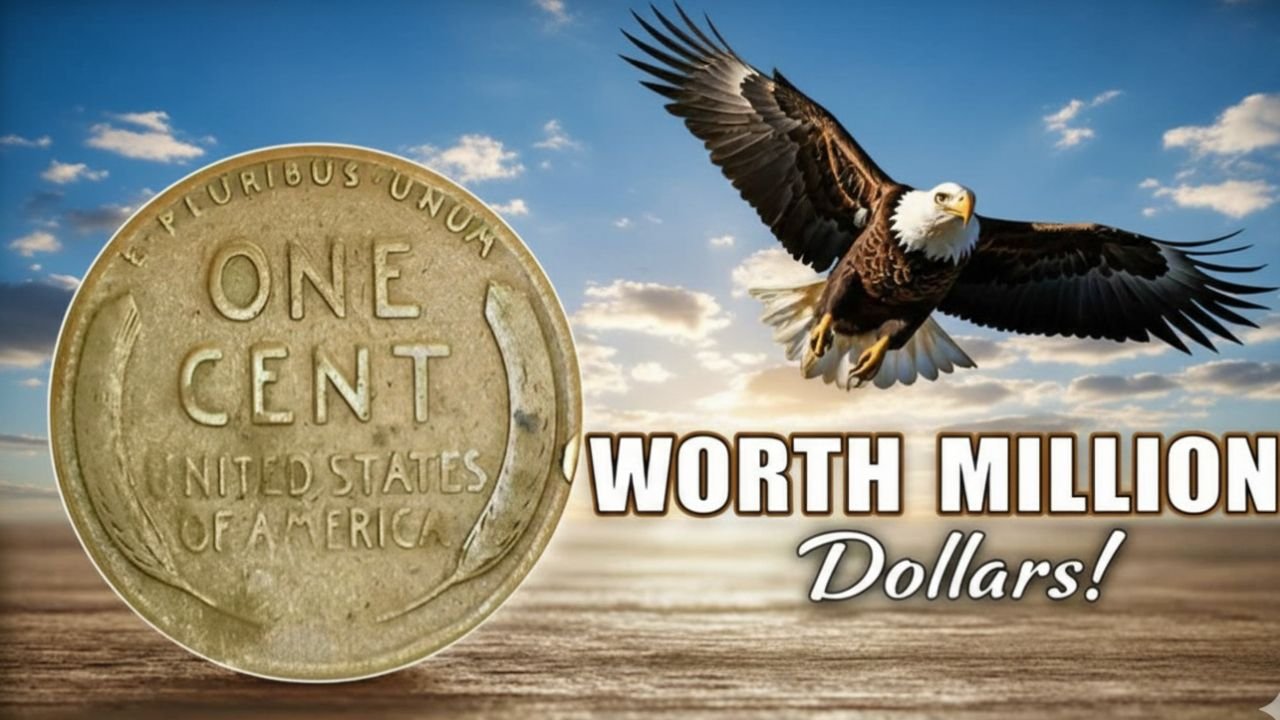
The 1943 Copper Penny is a classic tale of a minting error achieving fame. In a wartime effort to conserve copper for ammunition, the U.S. Mint produced pennies on zinc-coated steel planchets. A handful of copper blanks from the previous year were accidentally struck, creating one of the most famous and valuable error coins. Its story is a relatable slice of home-front history, making it a perennial favorite.
The 1894-S Barber Dime proves that immense value is not confined to large denominations. With a recorded mintage of just 24 pieces, its creation remains somewhat enigmatic. Fewer than ten are confirmed to exist today. This extreme scarcity for a regular-issue coin transforms this small dime into a giant of the collecting world, often commanding prices that rival those of large gold coins.
2026 Rare U.S. Coin Reference Table
| Coin Name (Year & Denomination) | Key Reason for Rarity & Value | Estimated Value Range (2026) | Historical Context |
|---|---|---|---|
| 1933 Double Eagle ($20 Gold) | Never released; most melted; legal history. | High Millions | Great Depression era; gold recall. |
| 1794 Flowing Hair Dollar ($1 Silver) | First U.S. silver dollar; low survival rate. | $5 Million+ | Early federal coinage. |
| 1913 Liberty Head Nickel (5¢) | Only 5 known; mysterious production. | $4 Million+ | Design transition year. |
| 1804 Draped Bust Dollar ($1 Silver) | “Presentation strikes” made decades later. | $3 Million+ | Used for diplomatic gifts. |
| 1943 Copper Penny (1¢) | Accidental minting on copper planchets. | $150,000 – $400,000+ | WWII metal conservation effort. |
| 1894-S Barber Dime (10¢) | Extremely low original mintage (24). | $1.5 Million+ | San Francisco Mint issue. |
Key Factors Influencing Coin Value
While the coins listed above are famous for their rarity, three core principles universally dictate a coin’s market value:
- Rarity: The number of coins originally minted and, more importantly, the number that survive in collectible condition is the primary driver.
- Condition (Grade): A coin’s state of preservation is critical. Professional grading services assess surfaces, strike quality, and wear. A single grade point difference can multiply a coin’s value exponentially.
- Historical Significance: Coins that mark a “first,” an important design change, or a specific historical period carry added weight. The story behind a coin is a powerful component of its appeal.
The Modern Collector’s Landscape
The rare coin market in 2026 is characterized by robust global demand and increased accessibility. Major auction houses host events that draw international bidding, while reputable online platforms allow collectors to acquire pieces from anywhere. Prices are supported by a growing recognition of rare coins as an alternative asset class that combines tangible beauty with historical preservation. Furthermore, the community of collectors continues to expand, fueled by educational resources and a shared passion for safeguarding these pieces of national heritage.
Frequently Asked Questions (FAQ)
Q: I found an old coin. How do I find out if it’s valuable?
A: First, identify the coin by its date, mint mark (small letter indicating where it was made), and denomination. Use a reputable price guide or website for an initial reference. For any coin you suspect is valuable, the most important step is to have it authenticated and graded by a professional service like PCGS or NGC.
Q: What does “grading” mean, and why is it so important?
A: Grading is a standardized assessment of a coin’s condition on a scale from 1 (Poor) to 70 (Perfect Mint State). It is performed by impartial, expert services. A grade encapsulates the coin’s wear, luster, and strikes, providing an objective measure that is essential for determining its true market value and ensuring authenticity.
Q: Are rare coins a good investment?
A: While many rare coins have appreciated over time, they should be approached first and foremost as a collectible passion. Their market can be illiquid and subject to trends. The best approach is to collect what you love and find historically fascinating. Any financial gain should be viewed as a potential long-term benefit, not a primary guarantee.
Q: Where is the best place to buy rare coins?
A: Purchase from established, reputable sources. These include major auction houses, well-regarded coin dealers with long-standing memberships in professional organizations (like the PNG or ANA), and certified marketplaces. Always insist on coins that are encapsulated and graded by leading third-party services.
Q: How should I store my coins to preserve their value?
A: Proper storage is critical. Use inert materials like archival-quality holders, coin capsules, or albums. Handle coins by their edges, preferably while wearing cotton gloves, to avoid transferring oils and acids from your skin. Store them in a cool, dry, and stable environment, ideally in a safe or safety deposit box for valuable pieces.
Conclusion
The pursuit of rare U.S. coins in 2026 remains a deeply engaging endeavor, connecting individuals to the artistic and historical narrative of the nation. From the storied gold Double Eagle to the humble yet error-prone penny, each rare piece offers a window into a specific moment in time. For collectors, the value transcends monetary worth, lying in the stewardship of these artifacts, the joy of the hunt, and the continuous education they provide. As we look forward, these coins serve as enduring reminders of where we have been, preserved in metal and memory.