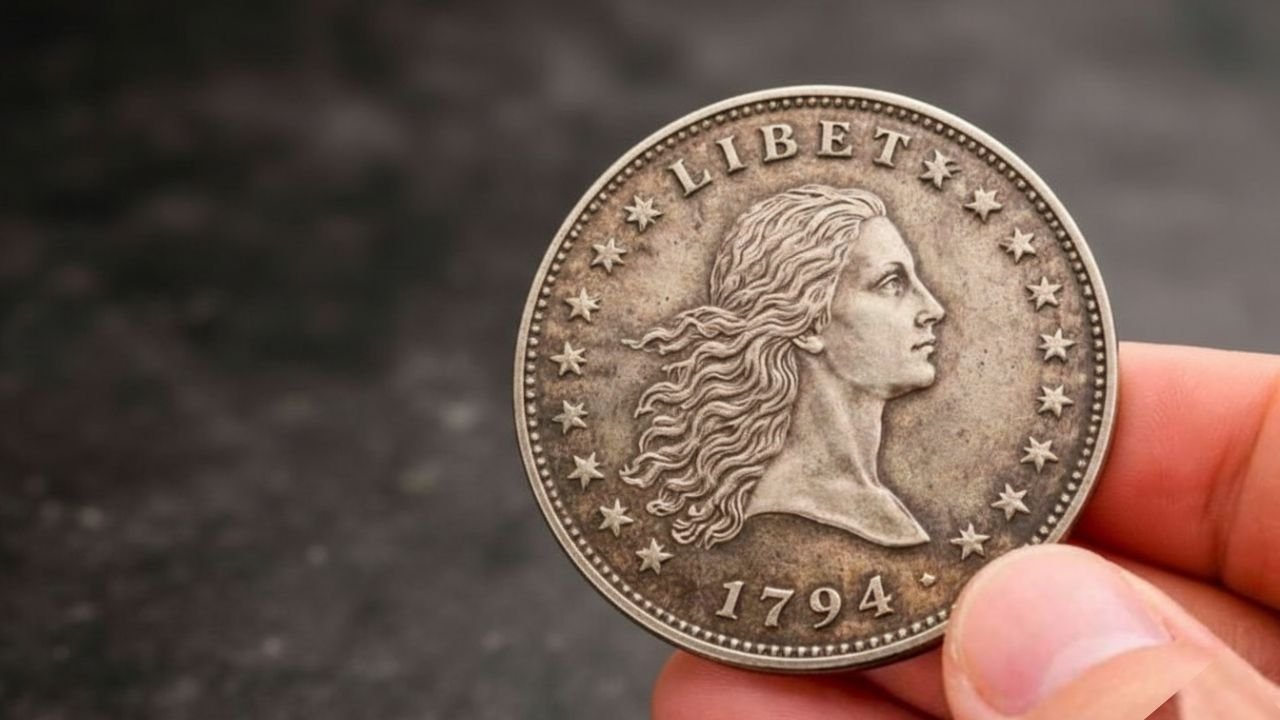
The Legendary 1794 Flowing Hair Dollar : Imagine finding an old coin in your grandpa’s attic that’s worth more than a Hollywood movie star’s house. That’s the dream of coin collectors everywhere, and it all started with a single, super-rare coin: the 1794 Flowing Hair Dollar. It’s not just a piece of money; it’s a piece of American history that someone paid over ten million dollars to own! This coin is famous because it was the very first silver dollar the United States government ever made. Back in 1794, the country was brand new and wanted to show the world it was serious. Creating its own money was a huge step. Today, that little silver disc is one of the most valuable and sought-after treasures in the entire world of coin collecting.
The First Dollar Ever Made
In 1792, the U.S. government passed a law to start its own mint, which is a place where money is made. By 1794, they were ready to produce their very first silver dollars. A man named Robert Scot was hired to design it. He created a picture of Lady Liberty with beautiful, flowing hair on the front, which is why the coin has its name. On the back of the coin, he designed an eagle surrounded by a wreath. This wasn’t just pocket change; it was a symbol. The new country wanted its money to show the world its values of freedom, strength, and independence. Every time someone used this coin, they were holding a piece of America’s big dreams.
Why Is It Worth More Than a House?
So, what makes a 200-year-old coin worth $10 million? The main reason is that there are almost none left! The mint only made about 1,758 of these coins back in 1794. Think about it: that’s fewer copies than some school textbooks print today. Over the last 200 years, most of them got lost, melted down, or worn out from being used. Experts believe that fewer than 150 of these coins still exist today. And of those, only a tiny handful are in great condition. Imagine finding a 200-year-old toy in its original box—that’s like finding a “Mint State” 1794 dollar. The combination of being the “first ever” and being incredibly rare is what makes it worth millions.
Coin Facts at a Glance
Here’s a simple breakdown of everything you need to know about this legendary coin:
| Feature | Details |
|---|---|
| Year It Was Made | 1794 |
| The Artist | Robert Scot |
| What It’s Made Of | 90% Silver, 10% Copper |
| How Many Were Made | Only 1,758 |
| How Many Are Left | Fewer than 150 |
| Record Sale Price | Over $10,000,000! |
| Why It’s Special | The very first U.S. silver dollar |
What Collectors Look For
If you ever dream of finding a valuable coin, here’s what experts keep in mind when looking at a treasure like the 1794 dollar:
- Check the Date: Always look for the year on the coin. Old coins, especially from the 1700s and 1800s, can be very valuable.
- Look at the Condition: A coin that looks brand new, with no scratches or wear, is worth way more than a beat-up one.
- Know the Story: The most valuable coins often have a cool story, like being the first of its kind. History adds to the value!
- Get It Certified: If you think you have a rare coin, you should send it to a professional grading service. They verify it’s real and give it a grade that tells you its condition.
- Rarity is Key: The fewer coins that exist from a certain year, the more collectors want it. That’s the main rule of collecting!
Your Questions Answered (FAQ)
1. Why is the 1794 Flowing Hair Dollar so famous?
It’s famous for being the very first silver dollar coin ever made by the United States Mint. It represents the beginning of American coinage.
2. How much is it worth today?
A super high-quality version of this coin sold for more than $10 million! Even coins in rough shape can be worth hundreds of thousands of dollars.
3. What does “Flowing Hair” mean?
“Flowing Hair” describes the design on the front of the coin. It shows a picture of Lady Liberty with her hair blowing in the wind, which was a symbol of freedom.
4. Are there any other valuable coins like this?
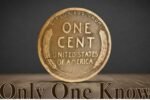
Yes! Many old and rare U.S. coins are valuable, like certain pennies from the 1900s (called Wheat Pennies) or special quarters from 1976 (Bicentennial quarters). Condition and rarity are always the key.