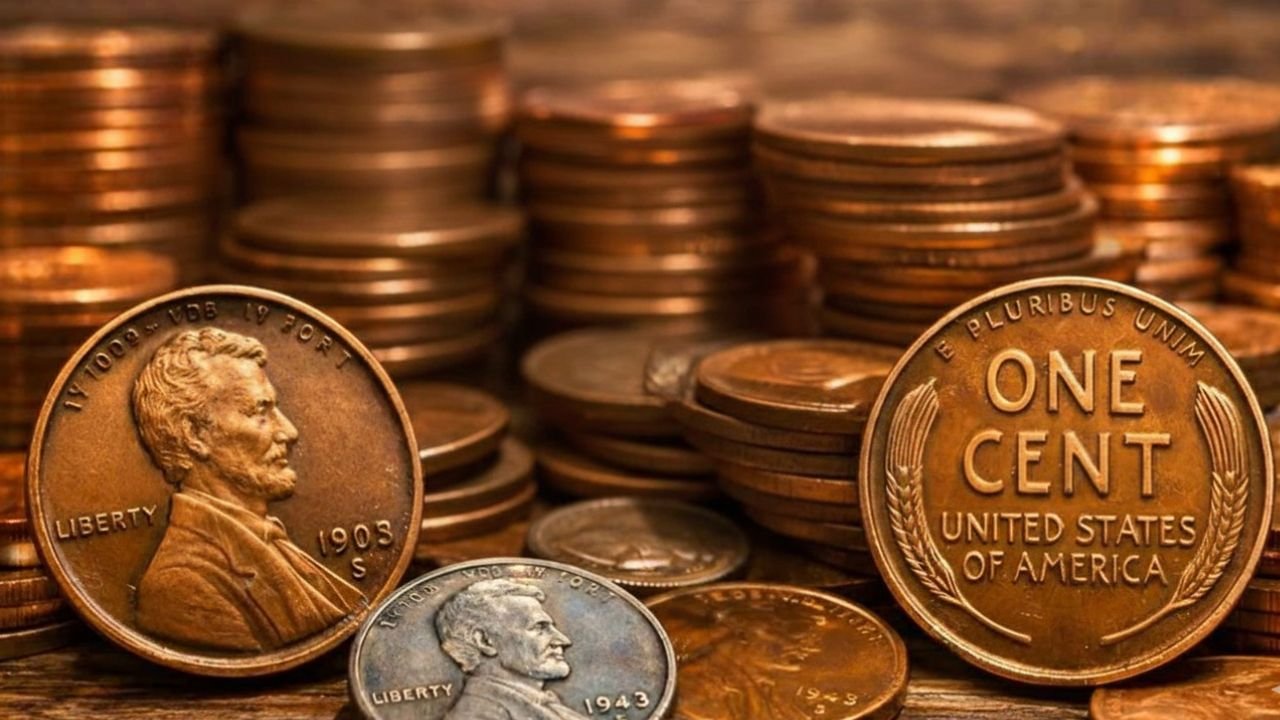
Lincoln Wheat Pennies in 2026: The Lincoln Wheat Penny is more than pocket change; it’s a tangible piece of American history. First introduced in 1909 to commemorate the 100th anniversary of Abraham Lincoln’s birth, this coin, with its iconic portrait and wheat stalk reverse, circulated through the hands of millions, witnessing over half a century of national change. For collectors, each penny is a small, metallic time capsule. The market for these coins remains vibrant, driven by stories of remarkable discovery and the passionate pursuit of numismatic knowledge. This guide explores the fascinating world of Wheat Penny collecting, focusing on education and historical appreciation.
The Historical Significance of a Humble Coin
The Lincoln Cent marked a revolutionary moment in U.S. currency. It was the first regular-issue American coin to feature a real person—President Abraham Lincoln—breaking from a tradition of allegorical figures. Victor David Brenner’ design was a public tribute to a beloved leader. The two wheat stalks on the reverse symbolized the nation’s agricultural bounty, earning the coin its “Wheat Penny” nickname. For 50 years, from 1909 to 1958, this design connected everyday commerce to the ideals of unity and prosperity. Collecting these coins today is a way to preserve and honor that narrative, with each date and mint mark representing a specific chapter in the 20th-century American story.
A Guide to Key Lincoln Wheat Penny Varieties
The table below outlines some of the most notable dates and varieties, providing context for their significance. Note: Values are highly dependent on exact condition and market trends; this table is for educational purposes.
| Coin Date & Variety | Mint Mark | Key Reason for Notability | Estimated Value Range (Graded Good to Mint State) |
|---|---|---|---|
| 1909-S VDB | S | Low mintage, first year, controversial initials. The key to the series. | $600 – $20,000+ |
| 1909 VDB | None | First year of issue with initials; common but historically vital. | $10 – $200 |
| 1914-D | D | Extremely low mintage, one of the classic rarities. | $200 – $15,000+ |
| 1922 Plain | None (Error) | Missing “D” mint mark; essential for variety collectors. | $500 – $10,000+ |
| 1931-S | S | Low mintage from the Great Depression era. | $75 – $2,000+ |
| 1943 Copper | All | Struck in the wrong metal during WWII; extremely rare error. | $100,000+ |
| 1944 Steel | All | Struck in the wrong metal post-WWII; rare error. | $75,000+ |
| 1955 Doubled Die | None | Dramatic and famous mint error on the obverse. | $1,000 – $25,000+ |
Understanding Value Condition, Rarity, and the Human Element
A coin’s worth is a blend of objective grading and subjective story. Professional services grade coins on a 1-70 scale, assessing surface preservation, luster, and strike detail. A “Mint State” coin never entered circulation, while a heavily worn coin tells a different tale of its journey through the economy. Rarity is influenced by low mintage numbers, survival rates, and distinctive errors. The most celebrated coins often combine supreme condition with a unique minting anomaly or historical context. While headlines tout record prices, the true value for many collectors lies in the hunt, the research, and the connection to history. A common Wheat Penny from a collector’s birth year can hold immense personal value, underscoring that not all treasure is measured solely in dollars.
Notable Varieties Sought by Collectors
While every collection is unique, certain Lincoln Wheat Pennies are consistently pursued for their historical and numismatic importance. These coins are prized not just for potential monetary value, but as key artifacts in the series’ story.
- 1909-S VDB: The ultimate key coin. The 1909-S (San Francisco Mint) with Victor David Brenner’s initials on the reverse is famously scarce due to its low mintage and the controversial, quick removal of the initials.
- 1914-D: With one of the lowest mintages in the series, this Denver-minted coin is a classic rarity that challenges even advanced collectors to find in well-preserved condition.
- 1922 Plain: A unique error where the “D” mint mark is missing from Denver-minted coins due to die wear. This creates a rare variety eagerly sought to complete a collection.
- 1943 Copper & 1944 Steel: These are the “wrong metal” years. During WWII, pennies were struck on zinc-coated steel to conserve copper. The rare 1943 copper pennies and 1944 steel pennies are legendary error coins.
- 1955 Doubled Die: One of the most famous mint errors in U.S. history. The obverse (Lincoln’s portrait) shows dramatic doubling of the date and lettering, a clear and fascinating error visible to the naked eye.
Starting and Growing Your Collection
Beginning a Lincoln Wheat Penny collection is an accessible and rewarding endeavor. Start by examining your own change and asking family members—many coins are still held in family accumulations. Acquire an inexpensive coin album and a magnifying glass. Focus first on filling slots by date and mint mark, learning to identify the “S” (San Francisco) and “D” (Denver) marks. Invest in a reliable guidebook to understand grading and varieties. Connect with local coin clubs or online forums; the collecting community is typically generous with knowledge. Remember, patience is a virtue. Build your collection around personal interest—perhaps coins from the war years, or those with interesting toning—and let your curiosity guide you.
Frequently Asked Questions (FAQ)
Q: What is the most valuable Lincoln Wheat Penny ever sold?
A: While values fluctuate with the market, one of the highest prices ever publicly reported was for an exceptionally rare and pristine 1943 bronze (copper) penny, which sold for over $1 million. The 1909-S VDB and 1914-D in top condition also command prices in the hundreds of thousands.
Q: Can I find a valuable Wheat Penny in circulation today?
A: It is highly unlikely to find a pre-1959 Wheat Penny in everyday circulation today, as most have been pulled out by collectors over the decades. However, discoveries are still made in old piggy banks, inherited collections, and estate sales—the “circulation” of the past.
Q: What does “grading” mean, and is it necessary?
A: Grading is the professional assessment of a coin’s condition on a standardized scale. For common-date coins, it may not be necessary. However, for any potentially valuable coin, professional authentication and grading by a service like PCGS or NGC is crucial. It verifies authenticity, confirms the condition, and protects your investment.
Q: Are cleaned or shiny pennies more valuable?
A: No. Cleaning a coin, even with the best intentions, almost always damages its surface and drastically reduces its numismatic value. Collectors prize original surfaces, even with natural toning. Never clean a coin you suspect may be valuable.
Q: Where is the best place to buy Lincoln Wheat Pennies?
A: Reputable sources include established local coin dealers, major coin shows, and certified auctions from trusted numismatic companies. For raw (uncertified) coins, online marketplaces can be used with extreme caution and research into seller ratings.
The journey through the world of Lincoln Wheat Pennies is a continuous exploration of history, art, and economics. Beyond the allure of potential discovery lies the deeper reward of becoming a custodian of history. Each coin, from the most common to the extraordinarily rare, is a silent witness to the century it helped build, waiting for its next keeper to appreciate its story.