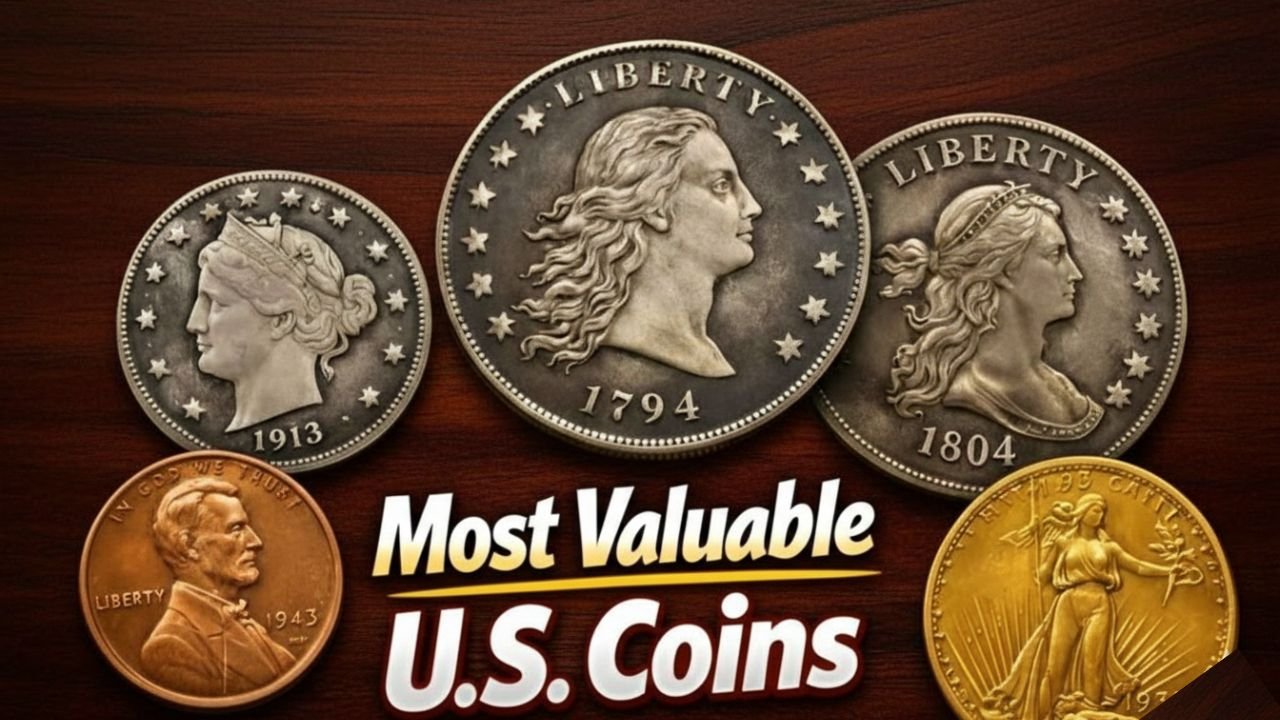
UFO-Like Coin Error Guide: The world of coin collecting extends far beyond pristine, flawless specimens. Some of the most intriguing pieces in numismatics come from moments when machinery faltered or materials behaved unexpectedly. These production variations create coins that stand apart from their intended designs, offering collectors a glimpse into the fascinating intersection of industry, chance, and preservation.
When Manufacturing Creates Unexpected Results
Coin production involves millions of strikes daily across various mint facilities. With such enormous volume, occasional variations naturally occur. These deviations from standard specifications range from barely perceptible to dramatically obvious. What makes them particularly interesting is how they document the manufacturing process itself, capturing split-second moments when conditions weren’t perfectly aligned. Collectors have long recognized that these manufacturing variations tell stories that perfect specimens cannot. Each unusual coin represents a specific moment in production history, offering tangible evidence of the challenges involved in creating currency at massive scales.
Common Minting Variations and Characteristics
| Variation Type | Primary Cause | Visual Characteristics | Typical Rarity | Collector Considerations |
|---|---|---|---|---|
| Alignment Shift | Improper blank positioning | Design offset from center, crescent gaps | Moderate | Date visibility important |
| Broadstrike | Missing retaining collar | Expanded diameter, thin appearance, edge variations | Moderate | Full design visibility preferred |
| Multiple Impressions | Coin retained during subsequent strikes | Overlapping designs, ghost images | Rare | Clear strike sequence desirable |
| Blank Clip | Cutting irregularity | Smooth curved edge gap | Moderate | Clip size and location matter |
| Die Adhesion | Coin stuck to die | Cupped shape, distorted design | Very Rare | Stage of development affects value |
| Rotation Variation | Loose die positioning | Design misalignment between sides | Moderate | Degree beyond normal range significant |
| Wrong Blank | Denomination mismatch | Incorrect weight, size, metal | Rare | Dramatic size differences valued |
| Transitional | Design/composition change period | Hybrid characteristics | Rare | Historical documentation value |
Alignment Variations During Striking
The striking process requires precise positioning of the blank metal piece between two dies. When alignment isn’t perfect, the resulting design shifts away from center. Some specimens show only slight displacement, while others display dramatic shifts where significant portions of the design extend beyond the coin’s edge. These alignment variations become more valuable when the date and mint mark remain visible, as collectors can still identify the coin’s origin and year. The most dramatic examples show less than half the design present, creating crescent-shaped pieces that differ substantially from their intended appearance.
Missing Collar Effects
During normal production, a retaining collar surrounds the blank to contain metal flow during striking. When this collar fails to engage, metal spreads outward without restriction. The resulting pieces appear broader and thinner than standard specimens, often with unusual edge characteristics. These pieces occasionally develop slight cupping or waviness due to uneven metal flow. Their appearance can be quite striking, as the design elements stretch and distort across the expanded surface. Collectors particularly value examples where the full design remains visible despite the expanded diameter.
Multiple Impression Phenomena
Occasionally, a coin receives more than one strike before being ejected from the press. This can happen when a coin sticks to a die or when feeding mechanisms malfunction. The results range from subtle doubling visible only under magnification to completely overlapping designs creating abstract patterns.Some multiple strikes occur with the coin rotating between impressions, creating designs at different angles. Others happen with the coin shifted slightly, producing ghost-like secondary images alongside primary designs. The most dramatic examples show complete overlapping designs from two separate strikes.
Blank Preparation Irregularities
Before striking, metal blanks are cut from rolled sheets. Occasionally, the cutting process catches the edge of previous cuts or experiences feed irregularities. This creates blanks with curved sections missing, known in collecting circles as clipped planchets. These missing sections appear as smooth curved gaps along the coin’s edge. The location and size of the missing portion affect collector interest, with larger clips and those showing additional features commanding more attention. Some blanks show multiple clips or irregular shapes from more complex cutting errors.
Die Adhesion Events
Among the more dramatic production variations are instances where a struck coin adheres to the die rather than ejecting properly. Subsequent strikes then press additional blanks against this attached coin, gradually forming a cup-shaped piece with the design compressed and distorted. These pieces develop gradually as more strikes occur, with early stages showing moderate cupping and later stages forming deep caps resembling small containers. The design becomes increasingly distorted with each successive strike, creating unique three-dimensional objects that barely resemble their original coin type.
Rotational and Positioning Variations
Sometimes dies become slightly loose or misaligned during production runs. This can create coins where one side appears rotated relative to the other beyond normal specifications. While minor rotation occurs within tolerance ranges, significant rotation attracts collector interest. More complex variations occur when coins shift between strikes from different die positions, creating designs that overlap at angles. These pieces display chaotic patterns that require careful study to understand what occurred during production.
Frequently Asked Questions
How can I identify a potential production variation in my pocket change?
Look for coins that appear different at first glance—unusual shapes, off-center designs, strange edges, or odd colors. Compare suspicious coins with normal examples of the same denomination. A jeweler’s loupe or magnifying glass helps examine details more closely. Remember that genuine variations differ from post-production damage, which typically shows irregular edges or surface disturbances rather than manufacturing characteristics.
Are all unusual-looking coins valuable?
Not necessarily. Value depends on the type of variation, its dramatic nature, condition, and collector demand for that specific error. Common variations with minor deviations may add only modest value, while dramatic examples of rare variation types can command significant premiums. Having coins authenticated by recognized services helps establish both legitimacy and market interest.
Where can I learn more about specific variation types?
Specialized reference books, numismatic organizations, and online collector communities offer extensive information. Major auction houses frequently catalog interesting specimens with detailed descriptions. Coin shows provide opportunities to examine examples firsthand and speak with experienced dealers. Museums with numismatic collections sometimes display significant production variations.
How should I store unusual specimens?
Protect them in holders appropriate for their shape—standard coin flips work for relatively flat pieces, while three-dimensional examples可能需要 custom holders. Keep them in stable environments with moderate temperature and humidity. Avoid cleaning, as improper cleaning damages surfaces and reduces collector interest. Document any known history or provenance.

Can modern coins show these variations?
Yes, production variations occur in all eras of minting, including current issues. Modern quality control catches many dramatic examples before circulation, but some escape detection. Collectors regularly find interesting specimens in recent coinage, though dramatic variations remain less common than in earlier periods with less automated quality monitoring.
Should I have my unusual coin professionally graded?
For potentially valuable specimens, professional authentication and grading provides documentation of legitimacy and condition. This service helps when selling, insuring, or trading significant pieces. For modest examples, the cost may exceed the coin’s value. Research current market values before deciding about professional services.