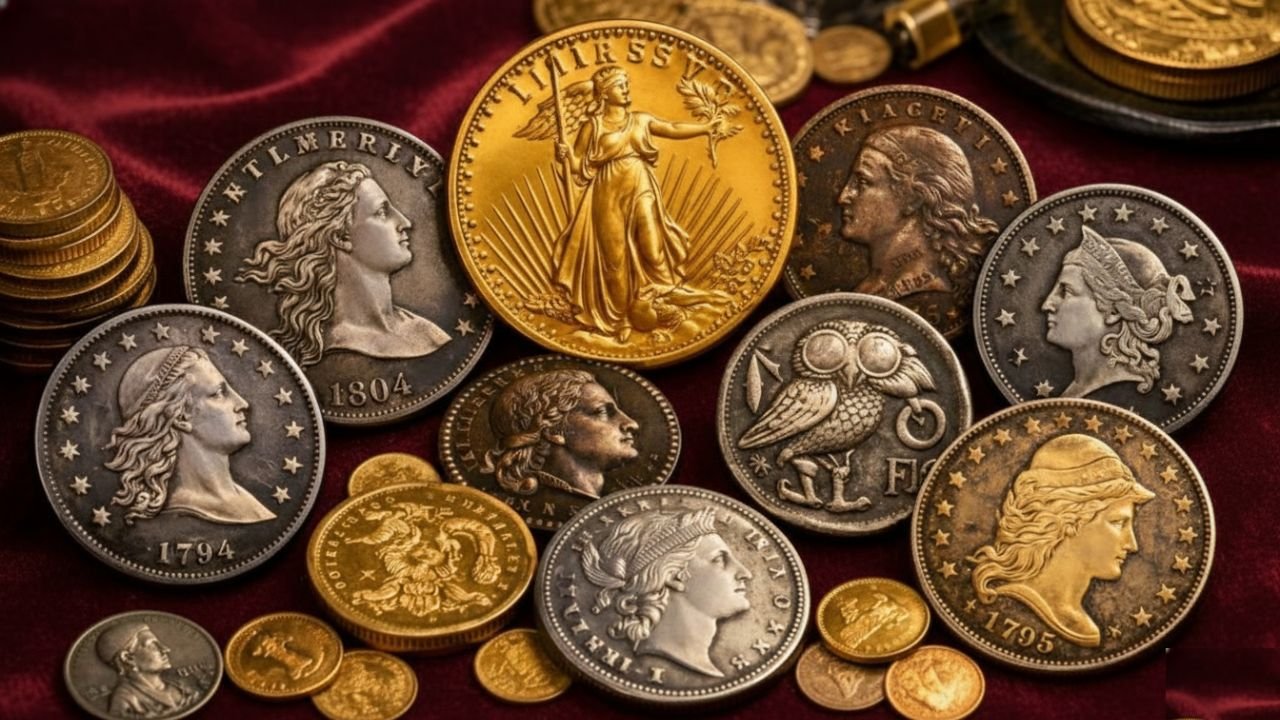
Top 10 Rare Coins of 2026: The allure of rare coins lies in their unique ability to tell a story. They are not merely pieces of metal; they are tangible fragments of history, art, and economics, held in the palm of your hand. In 2026, the passion for numismatics continues to grow, driven by a global community that values preservation, narrative, and beauty. This guide explores some of the most exceptional coins sought by collectors today, focusing on their historical journey and cultural impact, while providing a clear resource for understanding this fascinating field.
A Glimpse into Numismatic Legends
Each rare coin carries a legacy far beyond its monetary denomination. The following selections are celebrated not only for their scarcity but for the indelible marks they have left on history.
The 1933 Double Eagle A Coin of Contention
This American twenty-dollar gold piece exists at the center of a perfect storm of history and scarcity. Minted during the depths of the Great Depression, they were never officially released into circulation due to the nation’s move away from the gold standard. The majority were ordered to be melted down, but a few escaped destruction. Their subsequent history, involving legal battles and clandestine ownership, reads like a thriller. Today, a 1933 Double Eagle is a symbol of a pivotal moment in American financial history, and its rarity ensures its status as a crown jewel for any collection, embodying a narrative of survival against the odds.
2026 Rare Coin Information Reference Table
| Coin Name | Origin Year | Key Mint | Estimated Surviving Specimens | Primary Value Drivers |
|---|---|---|---|---|
| 1933 Double Eagle | 1933 | Philadelphia (U.S.) | Approximately 13-15 | Historical context (Great Depression), legal drama, extreme rarity. |
| 1794 Flowing Hair Dollar | 1794 | Philadelphia (U.S.) | About 130-140 | First U.S. silver dollar, historical significance, early American artistry. |
| 1913 Liberty Head Nickel | 1913 | Philadelphia (U.S.) | 5 | Mystery of origin, famous provenance of each coin, iconic rarity. |
| 1894-S Barber Dime | 1894 | San Francisco (U.S.) | Fewer than 10 | Extremely low mintage (24), mysterious reason for production. |
| Brasher Doubloon | 1787 | New York (Private) | Around 7 | Earliest American gold coinage, private minting history. |
| 1343 Edward III Florin | 1343 | London (England) | 3 (Gold) | Extreme age, rarity, one of England’s first gold coins. |
| 1804 Draped Bust Dollar | 1830s (dated 1804) | Philadelphia (U.S.) | 15 (Class I) | “King of Coins” fame, struck as diplomatic gifts, not circulation. |
The 1794 Flowing Hair Silver Dollar America’s First
As the initial silver dollar minted by the fledgling United States, this coin represents the new nation’s aspiration to establish a robust and independent currency. Its design, featuring Lady Liberty with flowing hair, was a statement of youthful identity. The technical challenges of early minting meant high-quality specimens were few. Owning one is akin to holding the dawn of American monetary sovereignty, making it deeply revered for its primal significance rather than just its age.
The 1913 Liberty Head Nickel A Mysterious Rarity
With only five known examples in existence, this nickel is shrouded in enigma. It was struck under mysterious circumstances, as the official design had already changed to the Buffalo Nickel that year. Each of the five coins has its own provenance, having passed through the hands of famous collectors. Its value is fueled by this combination of extreme rarity, the mystery of its origin, and the storied journey each piece has taken over the last century, captivating collectors with its whispered secrets.
The 1894-S Barber Dime The Enigmatic Few
Sometimes, the greatest stories are found on the smallest canvases. Only 24 of these dimes were ever minted at the San Francisco Mint, and fewer than ten are confirmed to exist today. Various theories attempt to explain this tiny mintage—from a test of coinage dies to a special order for visiting bankers. The extreme disparity between its face value and its multi-million dollar worth today highlights how human history and decision-making can transform the most everyday object into a legendary artifact.
The Brasher Doubloon A Goldsmith’s Confidence
Before the U.S. Mint existed, private citizens like Ephraim Brasher, a neighbor of George Washington, created coinage. His 1787 gold doubloon was a privately minted piece that circulated with confidence due to Brasher’s reputation. Bearing his unique “EB” punch mark, it is a powerful relic of a time when the United States was experimenting with its economic foundations. It represents entrepreneurship and trust in the pre-federal era, making it a priceless piece of Americana.
The Heart of Collecting More Than Just Price Tags
The modern numismatic community is driven by a shared passion for preservation and education. Collectors act as custodians of history, ensuring these artifacts are protected and studied for future generations. While investment potential exists, with rare coins often seen as a tangible asset that can diversify a portfolio, the core of the hobby remains deeply human. It connects people to art, metallurgy, politics, and the everyday lives of people in the past. Major auctions and specialized forums provide vibrant spaces for this community to gather, share knowledge, and celebrate new discoveries.
Frequently Asked Questions (FAQ)
Q: What makes a coin “rare”?
A: Rarity is a combination of low original mintage, a small number of surviving specimens in good condition, and often, a unique historical circumstance surrounding its production or release.
Q: Is coin collecting a good investment in 2026?
A: While some coins appreciate significantly, collecting should first be pursued for passion and education. The market can fluctuate. Treating coins solely as a financial investment requires specialized knowledge and comes with risks. Always consult with reputable dealers and experts.
Q: Where can I safely buy rare coins?
A: Seek out established, reputable coin dealers with longstanding positive reputations, accredited auction houses, and official numismatic trade associations. Always request proper certification and provenance documentation.
Q: I found an old coin. How do I know if it’s valuable?
A: Examine it for mint marks, dates, and any unusual errors. Do not clean it, as cleaning can drastically reduce value. The best step is to have it authenticated and graded by a professional third-party grading service like PCGS or NGC.
Q: What does “condition” or “grade” mean for a coin’s value?
A: Condition refers to the state of preservation, from heavily worn (Poor) to perfectly mint state (MS-70). Even slight differences in grade can cause enormous differences in value, as collectors prize coins that are as close to their original state as possible.
Conclusion The Enduring Legacy of Metal and Story
The world of rare coins in 2026 remains a testament to human history, craftsmanship, and the enduring desire to preserve our tangible past. From a goldsmith’s bold experiment in post-colonial New York to a handful of dimes minted in San Francisco under mysterious circumstances, these objects invite us into a deeper conversation with history. They remind us that value is a multifaceted concept, woven from threads of scarcity, beauty, narrative, and the simple, profound connection we feel when holding a piece of time in our hands.