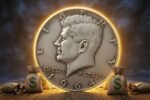
Most Valuable Washington Quarters: For over ninety years, the Washington quarter has been a familiar piece of American pocket change, a small silver (and later, clad) disk that pays tribute to our first president. Yet, for a dedicated community of numismatists and history enthusiasts, these coins represent far more than 25 cents. They are tangible pieces of art, history, and sometimes, unexpected treasure. This guide explores the fascinating world beyond the face value, focusing on the stories, the rarities, and the patient joy of collecting.
A Coin Born from Commemoration
The Washington quarter was never meant to be permanent. Introduced in 1932 to mark the 200th anniversary of George Washington’s birth, it was envisioned as a one-year commemorative replacement for the Standing Liberty quarter. The public and the Treasury, however, were so taken with John Flanagan’s dignified portrait of Washington that the design was continued. This decision transformed a special tribute into an enduring symbol of everyday American commerce, connecting generations through a single, consistent image.
The Cornerstones of a Collection The 1932 Mint Marks
The inaugural year of minting holds the two undisputed kings of the series. While the Philadelphia mint struck a substantial number of 1932 quarters, the branch mints in Denver and San Francisco produced very few.
- The 1932-D Quarter: With a mintage of only 436,800, this coin is a legendary find. Its rarity is compounded by the fact that many were actually spent during the Great Depression, making high-grade, uncirculated examples exceptionally scarce. For collectors, securing a 1932-D is often the pinnacle of the series.
- The 1932-S Quarter: Slightly more elusive in terms of total mintage (408,000) than the Denver issue, the 1932-S is equally coveted. Its value is a testament to the combination of low production, age, and the survival rate of coins in collectible condition.
When Mistakes Create Fortune Errors and Varieties
The minting process, though precise, is human. Occasional anomalies create unique coins that are highly prized.
- The 1950-D/S Overmintmark: This variety occurred when a Denver mint die, originally stamped with an ‘S’ (for San Francisco), was re-punched with a ‘D.’ Under magnification, the underlying ‘S’ is visible, telling a story of recycled tools and creating a distinct collectible.
- The 2004 Wisconsin Extra Leaf Quarter: A modern rarity from the State Quarters program, some Wisconsin quarters feature an extra, lower leaf on the ear of corn. This die variety sparked a nationwide hunt, proving that valuable errors aren’t confined to the past.
- Transitional Errors: The 1964 to 1965 composition change from silver to copper-nickel clad led to a few extremely rare and valuable mistakes, such as a 1965 quarter struck on a silver planchet. These coins are accidental bridges between two monetary eras.
The Shift to Clad The End of an Era in Your Hand
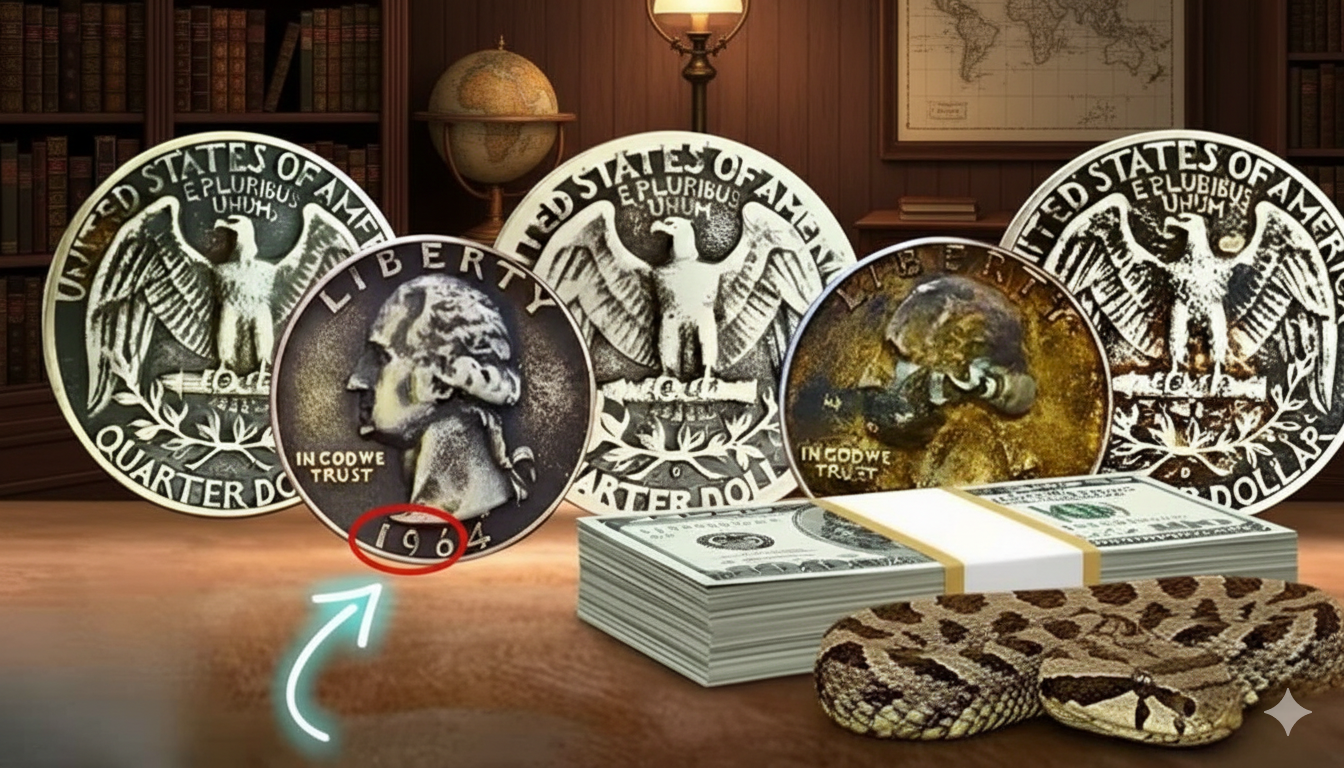
Quarters minted in 1964 and earlier are composed of 90% silver. This intrinsic metal content gives them a baseline value far above face value, tied to the precious metals market. The 1965 transition to copper-nickel clad was a fundamental economic change, making any pre-1965 quarter a keepsake of America’s silver coinage heritage. Holding one is to hold a piece of that tangible monetary history.
Collecting with Purpose and Passion
Building a meaningful collection is about more than just value; it’s about connection. You might choose to seek a coin from your birth year, assemble a “type set” of each major reverse design (from the original eagle to the state and national park quarters), or simply enjoy sifting through change for old dates. Utilizing a magnifying glass, referencing reliable price guides, and connecting with reputable coin dealers or local clubs can enrich the experience immensely. Remember, every coin in circulation has passed through countless hands, each with its own silent story.
Washington Quarter Overview Key Information
| Feature | Detail |
|---|---|
| Years Minted | 1932 – Present |
| Designer | John Flanagan (original) |
| Original Composition | 90% Silver, 10% Copper (1932-1964) |
| Current Composition | Cupro-Nickel Clad (Outer layers: 75% Copper, 25% Nickel; Core: 100% Copper) (1965-Present) |
| Weight | 6.25 grams (silver); 5.67 grams (clad) |
| Key Rarity | 1932-D, 1932-S |
| Notable Series | Bicentennial (1976), 50 State Quarters (1999-2008), America the Beautiful Quarters (2010-2021) |
| Value Drivers | Rarity (mintage), Condition (grade), Demand, Mint Errors/Varieties, Silver Bullion Value (for pre-1965) |
Frequently Asked Questions (FAQ)
Q: I found an old quarter. How do I know if it’s valuable?
A: First, check the date. Quarters from 1964 or earlier are silver. Next, look for a mint mark on the obverse (front) near the bottom—’D’ for Denver or ‘S’ for San Francisco (no mint mark means Philadelphia). A 1932-D or S is potentially valuable in any condition. Use a coin price guide or consult a reputable coin dealer for an appraisal, especially if the coin appears unworn or has any unusual markings.
Q: Are all silver quarters valuable?
A: They all have intrinsic value based on their silver content (currently several dollars each), which exceeds 25 cents. Their numismatic (collector) value depends on date, mint mark, and condition. Common-date, circulated silver quarters are worth primarily their silver melt value.
Q: What does “proof” mean, and are proof quarters valuable?
A: Proof coins are specially struck with polished dies and planchets for collectors, resulting in a mirror-like finish. They are sold in sets by the U.S. Mint and are not intended for circulation. While modern proof quarters are not rare, older proofs (especially in pristine condition) can be valuable to collectors.
Q: Is the Bicentennial (1776-1976) quarter special?
A: It is historically special and a favorite among new collectors, but hundreds of millions were minted. Unless it is in flawless uncirculated condition, a proof, or a rare error variety, its monetary value is typically face value. Its true worth is as a commemorative keepsake.
Q: Where is the best place to look for valuable quarters?
A: Start with your own change and old piggy banks. You can also search rolls of quarters obtained from banks—a practice known as “coin roll hunting.” Estate sales, flea markets, and coin shows are other avenues, but always educate yourself on authenticity and value before making significant purchases.
Conclusion More Than Metal
The pursuit of Washington quarters is a hobby that blends history, art, and the thrill of discovery. It encourages us to look more closely at the ordinary objects we handle daily. Whether you’re drawn to the historic rarity of a 1932-D, the silent appeal of a silver edge, or the simple goal of completing a map of state quarters, this journey enriches our understanding of the nation’s narrative, one small, storied coin at a time.