Rare Lincoln Pennies: For over a century, the Lincoln penny has been a humble constant in American pockets. Yet, within this everyday coin lies a world of extraordinary rarity and value, where a single cent can be worth a fortune. The journey of discovering these numismatic treasures connects us to history, art, and the thrill of the find.
The Historic Debut of an American Icon
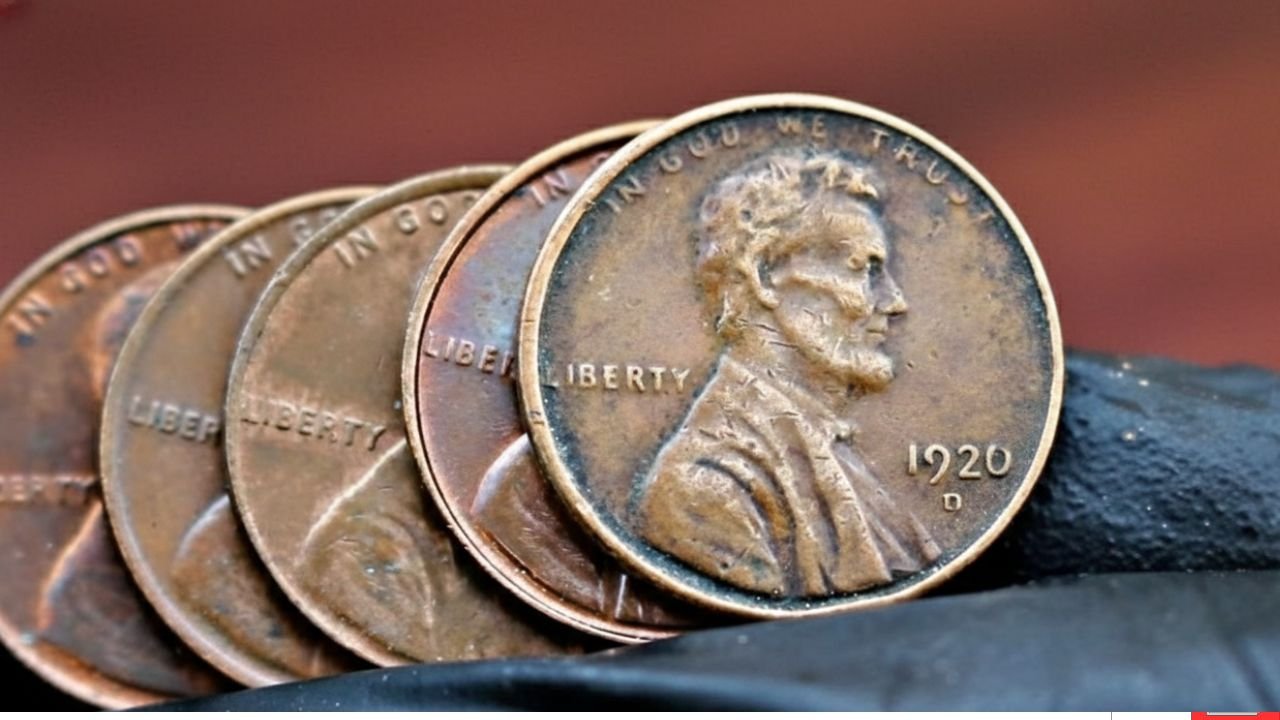
Introduced in 1909 to commemorate the 100th anniversary of Abraham Lincoln’s birth, the Lincoln cent revolutionized U.S. coinage. It was the first regular-issue American coin to feature the portrait of a real person, moving away from symbolic female figures like Liberty. Designed by Victor David Brenner, the original “wheat ears” reverse symbolized the nation’s agricultural prosperity. This design, celebrating a president who preserved the Union, resonated deeply with the public and cemented the penny’s place in the national consciousness. Its design evolution—first to the Lincoln Memorial in 1959, and later to the Union Shield in 2010—reflects the changing face of America itself, making each variant a snapshot of its era.
Quick Reference Notable Lincoln Wheat Pennies
| Coin Date & Variety | Mint Mark | Key Reason for Value | Approximate Value Range (Graded AU50-MS60) |
|---|---|---|---|
| 1909-S VDB | S | Low mintage, first year, designer’s initials | $600 – $2,500+ |
| 1914-D | D | Very low mintage | $200 – $3,000+ |
| 1922 No D | (None apparent) | Denver mint strike with missing mint mark | $500 – $10,000+ |
| 1931-S | S | Extremely low mintage (key date) | $70 – $1,000+ |
| 1943 Bronze/Copper | Any/D/S | Struck on wrong planchet (wartime error) | $100,000 – $1,000,000+ |
| 1944 Steel | Any/D/S | Struck on wrong planchet (post-war error) | $75,000 – $400,000+ |
| 1955 Doubled Die Obverse | D | Major dramatic mint error | $1,000 – $5,000+ |
| 1969-S Doubled Die Obverse | S | Rare and sought-after modern error | $20,000 – $50,000+ |
What Makes a Penny Valuable?
Several key factors transform a common coin into a collector’s gem. Rarity is paramount, often driven by low mintage numbers or production errors. Condition is critical; a coin graded Mint State (MS) or Proof can be worth thousands of times more than a circulated one. Historical Significance adds layers of value, connecting a piece of metal to a specific moment in time. Finally, market demand dictates price, as collectors and investors compete for these tangible pieces of history. It is the perfect alignment of these elements that can elevate a penny’s value to staggering heights.
Legendary Coins and Their Stories
Certain Lincoln pennies have achieved legendary status among collectors.
- The 1909-S VDB: This coin combines two major rarities: it was minted in San Francisco (denoted by the “S” mint mark) and bears the designer Victor David Brenner’s initials on the reverse. Public controversy over the prominent initials led to their swift removal, making this early issue exceptionally scarce and highly coveted.
- The 1943 Copper Penny: A poignant relic of World War II. To conserve copper for the war effort, the U.S. Mint struck pennies on zinc-coated steel planchets in 1943. A minuscule number were mistakenly struck on leftover copper planchets from 1942. These accidental copper issues are among the rarest and most valuable U.S. coins, with auction prices nearing the million-dollar mark.
- The 1955 Doubled Die Obverse: A striking minting error caused the obverse design, including the date and inscription, to be visibly doubled. This dramatic mistake was caught partway through the production run, leaving a finite number of these fascinating error coins in circulation, much to the delight of future collectors.
- The 1922 “No D” Penny: Struck only at the Denver Mint that year, some coins were produced with such a weakly impressed “D” mint mark that it appears entirely missing. This anomaly creates a key variety that is intensely studied and sought after by specialists.
- The 1931-S Penny: With a mintage of just 866,000, this coin from the depths of the Great Depression is the true low-mintage key date of the Lincoln Wheat series. Its survival in any condition is notable, and in high grade, it is a cornerstone of any advanced collection.
A Guide to Beginning Your Search
You don’t need to be a professional to start looking for valuable coins. Begin by checking dates and mint marks on older, wheat-back pennies (minted 1909-1958). Use a magnifying glass to inspect for errors, like doubling or missing design elements. Handle coins carefully by the edges to preserve their condition. Most importantly, educate yourself using reputable price guides and numismatic websites. Remember, while finding a six-figure penny is extraordinarily rare, discovering coins worth tens or hundreds of dollars is a realistic and exciting possibility that adds a layer of discovery to everyday life.
The Human Connection to Coin Collecting
At its heart, numismatics is about more than money; it’s about preservation and story. Collectors are custodians of history, safeguarding artifacts that tell the tale of technology, economics, and artistry. Every rare coin discovered in circulation rekindles the promise that wonder can be found in the ordinary. This hobby connects generations, teaching patience, observation, and historical appreciation. It fosters a global community united by the thrill of the hunt and the appreciation for miniature works of art that have passed through countless hands.
Frequently Asked Questions (FAQ)
Q: Where is the best place to look for valuable pennies?
A: Start with your own change jar! Ask family and friends to save old coins for you. Rolls of pennies from the bank (especially customer-wrapped rolls) can also yield surprises, as can estate sales and flea markets. Always examine coins carefully.
Q: What does “grading” mean, and why is it so important?
A: Grading is a standardized assessment of a coin’s condition on a scale from 1 (Poor) to 70 (Perfect Mint State). Two coins of the same date can have vastly different values based on tiny differences in wear, luster, and strike. Professional grading services authenticate and encapsulate coins, providing assurance to buyers and sellers.
Q: I think I found a 1943 copper penny. What should I do?
A: First, check with a magnet. A genuine 1943 copper penny will not be magnetic (all steel 1943 pennies will stick). If it passes the magnet test, do not clean it or handle it excessively. Have it authenticated by a reputable coin dealer or a professional grading service like PCGS or NGC.
Q: Are newer pennies (after 1958) worth anything?
A: Yes, but typically on a smaller scale. Key errors, proof coins, and certain low-mintage issues from the 1960s-1990s can be worth from a few dollars to several thousand. The 1982-D Small Date copper alloy cent and the 1992 Close AM variety are examples of valuable modern pennies.
Q: Is coin collecting a good investment?
A: It can be, but it should first be a passion. The market for rare coins fluctuates. The best “investment” is the knowledge you gain. Buy coins you appreciate for their history and beauty, and view any potential financial gain as a secondary benefit. Always purchase from reputable dealers.
Q: How should I store and handle my coins?
A: Use proper storage materials like archival-quality holders, albums, or inert plastic flips. Always hold