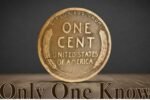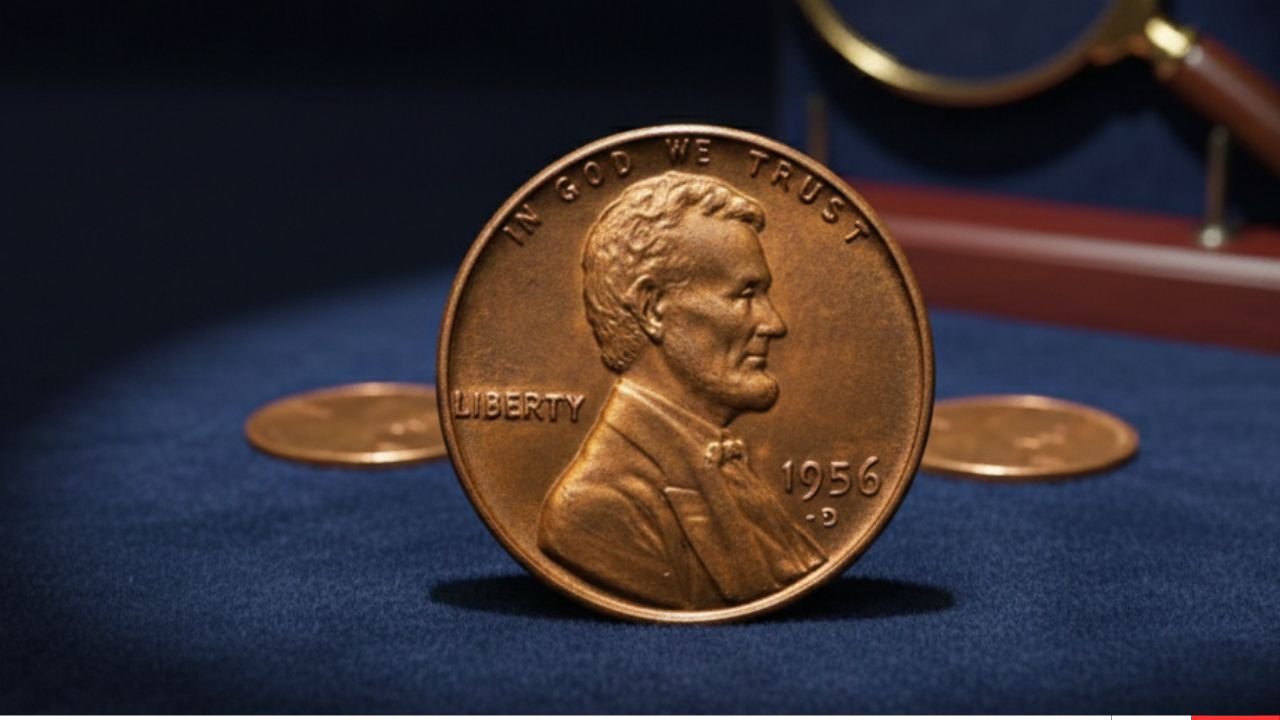
Rare Lincoln Wheat Penny : For over a century, the Lincoln Wheat Penny has been a humble keeper of American history, resting in pockets, jars, and collections across the nation. Minted from 1909 to 1958, it was the first U.S. coin to feature the portrait of a president, honoring Abraham Lincoln on the 100th anniversary of his birth. Designed by Victor David Brenner, its obverse bears Lincoln’s profile, while the reverse showcases two wheat stalks, symbols of agricultural prosperity. More than just currency, these pennies connect us to the eras they passed through, from the Great Depression to the post-war boom. While tales of extraordinary fortune sometimes swirl around them, the true value of these coins lies in their tangible link to our shared past and the dedicated community that preserves their stories.
What Gives a Coin Its Value?
The worth of a Lincoln Wheat Penny, like any collectible, is not determined by a single headline but by a confluence of tangible factors. Rarity is paramount; coins from low-mintage years or with specific mint marks are naturally more sought after. Condition is equally critical—a penny graded “Uncirculated” with no wear can be worth hundreds of times more than a heavily worn one. Finally, historical significance and errors play a major role. Striking mistakes, such as doubled designs or missing mint marks, create unique variants that captivate collectors. Understanding these factors transforms coin hunting from a simple search for metal into a study of history, economics, and art.
Separating Fact from Sensational Fiction
A persistent online rumor suggests a Lincoln Wheat Penny in circulation could be worth an astonishing $2.2 billion. It’s important to approach such claims with a thoughtful perspective. In reality, the most valuable coin ever publicly sold was a 1933 Saint-Gaudens Double Eagle gold piece, which achieved around $18.9 million. While certain Lincoln pennies are indeed highly valuable, their worth is measured in thousands or hundreds of thousands of dollars, not billions. This myth, however, speaks to a beautiful human tendency: the hope that an ordinary object in our daily lives might hold extraordinary secret value. It’s this sense of potential discovery that keeps the hobby of coin collecting alive and exciting.
The Thrill of the Hunt Could You Find One?
Part of the enduring charm of the Lincoln Wheat Penny is that they still surface in everyday life. Many people discover them in change from a local store, in an old family drawer, or while sorting through a relative’s belongings. While the likelihood of stumbling upon one of the legendary error coins is very low, the possibility adds a layer of anticipation to handling cash. Every handful of coins becomes a mini archaeological dig. Finding any Wheat Penny is a small event—a momentary handshake with history—reminding us that stories are embedded in the most common items.
The Heart of Collecting More Than Money
Numismatics, the study and collection of currency, is driven by far more than financial gain. For enthusiasts, each coin is a artifact. Collectors become historians, learning about minting processes, economic contexts, and artistic design. They become detectives, scrutinizing coins for subtle variations. This community plays a vital role in preserving national heritage, documenting errors, and educating the public. The real treasure in collecting is the knowledge gained, the connections made with other hobbyists, and the responsibility of being a steward of history.
A Lasting Legacy
The Lincoln Wheat Penny’s journey from daily commerce to cherished collectible illustrates how objects can accumulate meaning far beyond their original intent. While they may not be secret billion-dollar windfalls, their true value is multifaceted: as accessible pieces of history, as subjects of scholarly interest, and as sparks for curiosity and lifelong learning. They teach us to look closer, appreciate craftsmanship, and find wonder in the ordinary. That enduring legacy is priceless.
Lincoln Wheat Penny Key Information Table
| Feature | Detail |
|---|---|
| Years Minted | 1909 – 1958 |
| Designer | Victor David Brenner |
| Obverse (Heads) | Portrait of Abraham Lincoln |
| Reverse (Tails) | Two wheat stalks encircling the words “ONE CENT” and “UNITED STATES OF AMERICA” |
| Composition | 95% copper, 5% tin and zinc (1909-1942, 1944-1958). 1943 pennies were zinc-coated steel. |
| Notable Rare Varieties | 1909-S VDB, 1914-D, 1922 “No D”, 1943 Copper, 1955 Doubled Die |
| Average Value (Circulated) | $0.10 to $5+ (depending heavily on date, mint mark, and condition) |
| Record Sale | A 1943 Bronze (Copper) Lincoln Penny sold for over $200,000. (Note: This is a specific error coin; typical coins do not approach this value.) |
| Why Collectors Value It | First U.S. coin to feature a president; historical significance; wide variety of errors and key dates; accessible entry point to numismatics. |
Frequently Asked Questions (FAQ)
Q1: Is it true there’s a Lincoln Wheat Penny worth $2.2 billion?
A1: No, this is a myth. No coin has ever sold for anywhere near that amount. The most expensive coin ever sold publicly was a 1933 gold Double Eagle for about $18.9 million. While some Lincoln pennies are extremely valuable, their worth is in the thousands or hundreds of thousands, not billions.
Q2: What is the single most valuable Lincoln Wheat Penny?
A2: The 1943 bronze (copper) penny is among the most famous and valuable. Struck in copper by error during a year when pennies were made of steel, high-grade examples have sold for over $200,000. Other key coins include the 1955 Doubled Die and the 1909-S VDB.
Q3: I found an old wheat penny in my change. What should I do first?
A3: First, carefully examine it. Note the date and look for a mint mark (a small letter) on the reverse below “ONE CENT.” “D” stands for Denver, “S” for San Francisco, and no mint mark means Philadelphia. Then, assess its condition—is it worn smooth or are the details sharp? Use a reputable online price guide or consult with a local coin dealer for a professional assessment.
Q4: Are all pennies from 1943 valuable?
A4: Not all. The vast majority of 1943 pennies are zinc-coated steel and are very common, often worth only 10 to 50 cents in circulated condition. Only the extremely rare 1943 copper pennies (which were struck by mistake) are valuable. You can test a 1943 penny with a magnet; if it sticks, it’s the common steel version.
Q5: Where is the best place to sell a coin I believe is valuable?
A5: For a potentially high-value coin, it’s best to: 1) Get it authenticated and graded by a professional service like PCGS or NGC. 2) Research its auction records. 3) Sell through a reputable auction house that specializes in coins or through a trusted, well-established coin dealer. Avoid selling to generic “cash for gold” shops for rare numismatic items.
Q6: Why do people still collect these old pennies?
A6: Collectors are driven by history, artistry, and the thrill of the hunt. Lincoln Wheat Pennies offer an affordable and tangible connection to early 20th-century America. Building a complete set is a challenging and educational pursuit that combines detective work, historical study, and preservation.