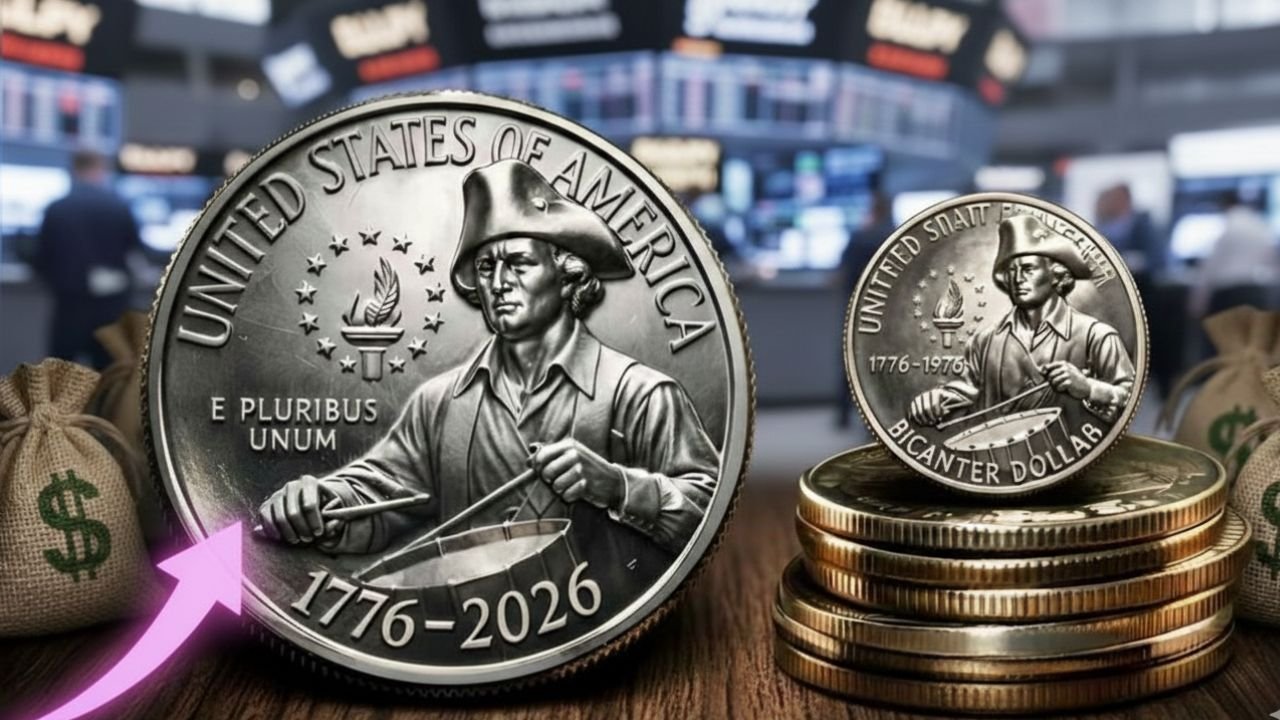
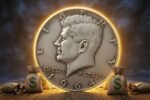
2026 Bicentennial Quarter : The Bicentennial Quarter, minted in 1975 and 1976, stands as a beloved piece of American numismatic history. Created to commemorate the nation’s 200th anniversary, its distinctive drummer boy reverse design immediately captured the public’s imagination and separated it from all regular-issue quarters. Fifty years after its release, this coin remains a centerpiece for collectors, symbolizing a moment of national unity and celebration. This guide explores its enduring value, varieties, and the heartfelt stories it carries for enthusiasts today.
The Historical Journey of a Commemorative Coin
The Bicentennial coin program was a national project of pride, encompassing the quarter, half dollar, and dollar. Artist Jack L. Ahr’s winning design for the quarter depicted a colonial drummer alongside a victory torch encircled by thirteen stars, representing the original colonies. The U.S. Mint produced hundreds of millions of these coins for general circulation, ensuring every American could hold a piece of the celebration. Simultaneously, special collector editions were struck in silver, catering to those wishing to preserve the milestone in a more lasting form. This dual approach means that while many quarters are common, their universal presence during a patriotic era cemented their place in the collective memory of the country.
Bicentennial Quarter Value Reference Table (2026 Market Estimates)
| Coin Type | Mint Mark | Condition | Estimated Value Range (2026) | Notes |
|---|---|---|---|---|
| Copper-Nickel Clad | D (Denver) | Circulated | $0.25 – $1 | Face value for worn coins. |
| S (San Francisco) | Mint State 65 | $3 – $6 | Uncirculated, from mint sets. | |
| 40% Silver | S (San Francisco) | Mint State 65 | $8 – $12 | From uncirculated silver sets. |
| S (San Francisco) | Proof 65 | $10 – $15 | From proof sets. | |
| Rare Errors/Varieties | Varies | Varies | $100 – $5,000+ | Includes dramatic double dies, off-center strikes, or wrong planchet errors. Value depends on specific error and grade. |
| Complete 1976 Proof Set | S (San Francisco) | Proof | $25 – $35 | Includes all three Bicentennial coins (Quarter, Half Dollar, Dollar) in clad. |
Why Collectors Cherish the Bicentennial Quarter
The widespread affection for this coin stems from its deep connection to a shared experience. For many, it evokes vivid memories of 1976: bicentennial parades, fireworks, and a palpable sense of national spirit. It is one of the most accessible and recognizable commemorative coins, often discovered in everyday change, which adds an element of exciting possibility for new collectors. Beyond nostalgia, it represents a masterful blend of art and history, making it a perfect introductory coin for budding numismatists and a staple for seasoned collections alike.
Understanding the Different Types and Their Values
Not all Bicentennial Quarters are the same. Their composition and minting process greatly influence their rarity and market value.
Standard Clad Circulation Coins: These are the copper-nickel quarters found in everyday change. While most are worth face value, those in exceptional, uncirculated condition—often sourced from original mint sets—can hold a modest premium. They are the foundational pieces of any collection.
40% Silver Collector Versions: Struck for special collector sets, these coins contain a significant silver content. They are not found in circulation and are considerably scarcer. Their value is tied to both their precious metal content and their condition, making them more desirable and valuable than their clad counterparts.
Proof Coins: Characterized by their mirror-like finish and sharp, detailed design, proof coins were made for collectors. They were produced in both clad and silver compositions. Their value is highly dependent on their grade and preservation, with flawless examples commanding notable premiums.
Key Factors Influencing a Coin’s Worth
The value of a Bicentennial Quarter is primarily determined by three factors:
- Composition & Type: Silver and proof versions are inherently more valuable than standard clad circulation coins.
- Condition (Grade): This is paramount. A coin without wear, with full original luster and sharp strike details, is worth exponentially more than a worn one. Professional grading services (like PCGS or NGC) provide objective assessment.
- Rarity & Errors: While most issues are common, rare minting errors (such as double dies or off-center strikes) can transform an ordinary coin into a valuable collector’s prize.
Current Market Dynamics for Collectors
As of 2026, the market for Bicentennial Quarters is stable and active. There is consistent demand for high-grade examples and silver versions, with prices reflecting their status as a classic commemorative issue. The rise of online marketplaces has made it easier for collectors to find specific coins, compare prices, and connect with a global community. The hobby continues to welcome new generations who appreciate the coin’s historical narrative as much as its numismatic merits.
Starting Your Collection: Helpful Tips
Beginning a collection of Bicentennial Quarters can be a rewarding journey. Start by examining your own change—you might find a circulated example that sparks your interest. Invest in a basic guidebook to learn mint marks (“D,” “S,” or none for Philadelphia) and grading fundamentals. Consider purchasing an affordable uncirculated or proof set to see the coin in pristine condition. Most importantly, collect what you find personally meaningful, whether it’s seeking a high-grade silver proof or simply enjoying the history behind each coin you acquire.
Frequently Asked Questions (FAQ)
Q: Is a 1976 Bicentennial Quarter worth anything?
A: Yes, but most circulated, copper-nickel clad quarters are worth only their 25-cent face value. Their worth increases for uncirculated examples, silver versions, and coins with rare errors.
Q: How can I tell if my Bicentennial Quarter is silver?
A: Check the coin’s edge. A silver Bicentennial Quarter will have a solid silver-gray stripe with no copper line (which is a thin brown line visible on the edge of a standard clad coin). Silver coins were only minted in San Francisco and bear an “S” mint mark.
Q: What does the “S” mint mark mean?
A: The “S” indicates the coin was minted in San Francisco. For Bicentennial Quarters, the “S” mint mark appears on both proof coins (for collectors) and the special 40% silver versions. Circulation quarters were minted in Philadelphia (no mint mark) and Denver (“D” mint mark).
Q: Why are some Bicentennial Quarters dated 1975?
A: The commemorative quarters were minted throughout 1975 and 1976 to ensure enough were in circulation for the bicentennial celebrations. All quarters from both years bear the dual date “1776-1976” on the obverse (heads side); no quarter from 1975 or 1976 carries a single date.
Q: Where is the best place to sell a Bicentennial Quarter I think might be valuable?
A: For coins you believe may be high-value (like a rare error or top-grade silver proof), consider getting it professionally graded first. Then, you can sell through reputable online auction platforms, established coin dealers, or numismatic shows.
The Lasting Legacy of an American Icon
More than a piece of currency, the Bicentennial Quarter is a miniature monument to a national celebration. It bridges generations, connecting those who lived through the 1976 festivities with younger collectors discovering history through tangible objects. Its design tells a story of revolution and independence, while its journey through pockets, collections, and the market tells a story of enduring appeal. As we move past its 50th anniversary, the Bicentennial Quarter’s status as a cherished piece of American heritage is secure, promising to inspire collectors and history enthusiasts for decades to come.