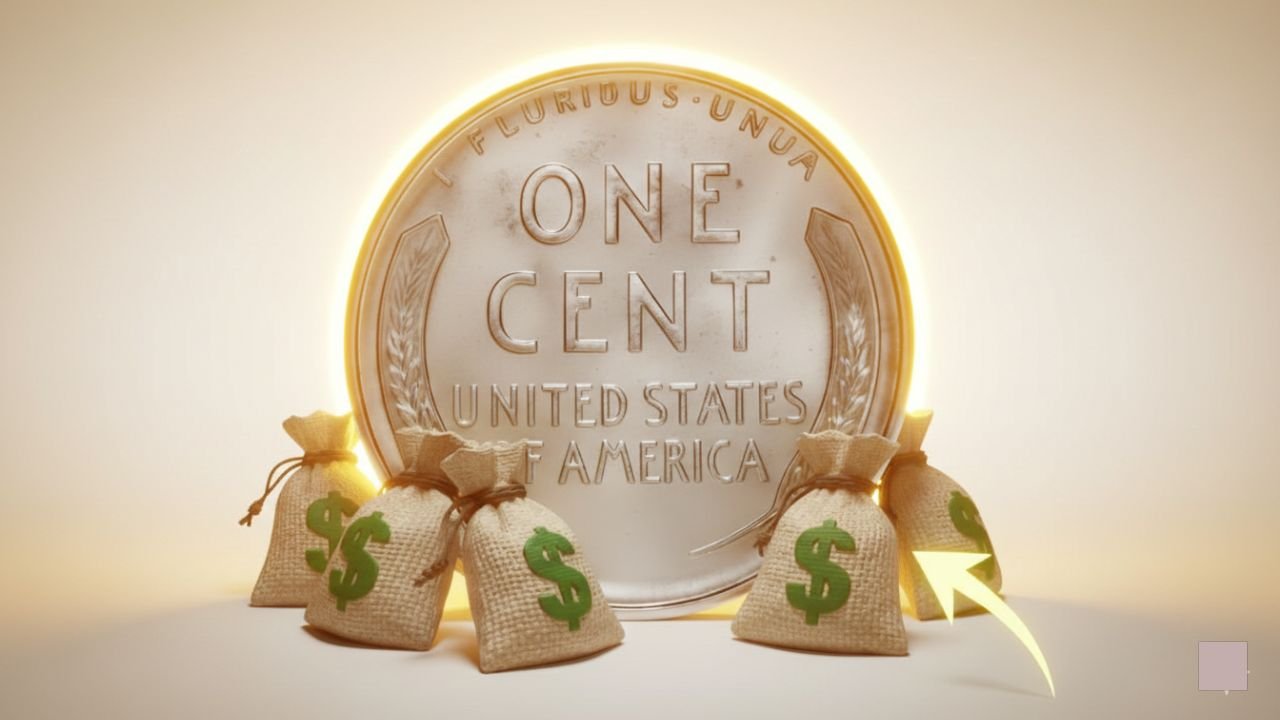
Last 10 Years Rare Coins : For over a century, the Lincoln Wheat Cent has been a humble yet profound fixture in American pockets and purses. Minted from 1909 to 1958, this coin, with its dignified profile of Abraham Lincoln and its twin wheat stalks symbolizing national prosperity, represents more than one cent. It is a tangible piece of American history. The past decade has seen a significant evolution in the collecting landscape for these coins, driven by a renewed appreciation for tangible history and the thrill of the hunt. This guide explores the current market, key coins to know, and the stories that make this hobby so captivating.
Lincoln Wheat Cent Key Information Table
| Feature | Detail |
|---|---|
| Years of Issue | 1909 – 1958 |
| Designer | Victor David Brenner |
| Metal Composition | 1909-1942: 95% Copper, 5% Tin/Zinc 1943: Zinc-coated Steel 1944-1958: 95% Copper, 5% Zinc (Recycled shell casings 1944-46) |
| Weight | 3.11 grams |
| Diameter | 19 mm |
| Obverse Design | Profile of Abraham Lincoln with “IN GOD WE TRUST,” “LIBERTY,” and the year. |
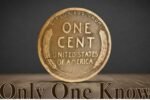
| Reverse Design | Two wheat stalks encircling “ONE CENT,” “UNITED STATES OF AMERICA,” and “E PLURIBUS UNUM.” |
| Key Rarity Examples | 1909-S VDB, 1914-D, 1922 “No D,” 1931-S, 1943 Copper, 1955 Double Die |
| Average Value (Common Date, Circulated) | $0.10 – $0.50 |
| Primary Collecting Focuses | Key dates, mint marks, condition (grade), error coins, and “toned” examples with natural coloration. |
The Allure of Key Date Rarities
Certain Wheat Cents have always been the crown jewels of a collection, and their stature has only solidified over the last ten years. Their value is primarily driven by extremely low mintages, making high-grade examples exceptionally scarce.
- The 1909-S VDB remains the most famous key date. This coin combines the first year of issue, the scarce San Francisco mint mark (“S”), and the controversial initials of designer Victor David Brenner. In pristine condition, it commands a premium that can reach into the tens of thousands, anchoring advanced collections.
- Following closely is the 1914-D, produced at the Denver Mint. With one of the lowest mintages of the series, finding even a well-worn example is a milestone for collectors. The 1922 “No D” cent is a fascinating error; due to a heavily worn die, the Denver mint mark is entirely missing, making it appear as a Philadelphia issue. Its unique story and rarity ensure strong demand.
- The 1931-S cent, struck in the depths of the Great Depression, saw a tiny mintage as economic hardship reduced the need for new coinage. It is the key date of the later series and a poignant reminder of its era, with values rising steadily for all but the most worn specimens.
Wartime Ingenuity and Accidental Legends
The World War II era introduced one of the most distinct coins in U.S. history: the 1943 Steel Cent. Made from zinc-coated steel to conserve copper for the war effort, these silver-looking coins are common but endlessly fascinating. However, a legendary error exists—the 1943 Copper Cent. A few blanks from 1942 were accidentally left in the presses and struck. These rare errors are monumental finds, with verified specimens selling at auction for over $200,000, a trend that has continued upward.
The Fascinating World of Errors and Varieties
Error coins tell a story of the minting process itself, and the Wheat Cent series includes some of the most famous. The 1955 Double Die Obverse (DDO) is the king of modern errors. The coin exhibits clear, dramatic doubling of the date and inscriptions, a result of a misaligned die during the hubbing process. Its popularity has made it a blue-chip collectible, with values appreciating consistently. Collectors also seek other varieties like repunched mint marks (RPMs), off-center strikes, and die cracks. These “coins with personalities” offer a more accessible entry into error collecting and highlight the human element and mechanical processes of the historic U.S. Mints.
Market Evolution and Collector Insights
The last decade has transformed coin collecting. The proliferation of online marketplaces and auction platforms has democratized access, allowing collectors globally to participate. Professional third-party grading services (like PCGS and NGC) have become standard, providing authentication and a consistent condition scale. This has increased confidence in the market, with certified, slabbed coins often commanding significant premiums over their raw counterparts. The thrill of the hunt remains central. Stories still emerge of valuable Wheat Cents discovered in inherited jars of old coins or found through coin roll hunting (searching bank-wrapped rolls). This possibility adds an element of excitement, reinforcing that history is still within reach. A new generation of collectors, drawn to the blend of history, art, and detective work, has entered the hobby, ensuring its vibrant future.
Historical Significance and Lasting Value
Beyond grades and prices, the Wheat Cent is a cultural artifact. It was the first circulating U.S. coin to feature a real person, President Abraham Lincoln, marking a departure from allegorical figures. The wheat ears on the reverse spoke to the nation’s agricultural heartland. Holding one is a direct link to the early and mid-20th century, from the roaring twenties to the post-war boom.
Frequently Asked Questions (FAQ)
Q: I found an old Wheat Penny. How do I find out what it’s worth?
A: Start by identifying the date and mint mark (if present, located below the year on the front). Check its condition—are details sharp or worn smooth? Use a reputable price guide or website to cross-reference your coin’s date, mint, and approximate grade. For potentially valuable coins (key dates or suspected errors), consider getting it evaluated by a local coin dealer or certified by a grading service.
Q: What is the most valuable Lincoln Wheat Cent?
A: The 1943 copper cent is the most valuable in terms of record auction prices, routinely selling for six figures. For regular-issue coins (non-errors), the 1909-S VDB in top condition holds the highest value.
Q: Are all 1943 pennies valuable?
A: No. The vast majority of 1943 pennies are the common steel versions, worth a few cents to a few dollars depending on condition. Only the extremely rare 1943 cents mistakenly struck on copper planchets are valuable.
Q: What does “S” or “D” mean on a coin?
A: These are mint marks indicating where the coin was produced: “S” for San Francisco, “D” for Denver, and no mint mark for Philadelphia. Coins from certain mints in certain years had lower production, making them rarer.
Q: Is collecting Wheat Pennies a good investment?
A: While rare, high-quality specimens have historically appreciated in value, collecting should first be driven by passion and interest in history. Market fluctuations can occur. The best approach is to collect for enjoyment, with knowledge that well-chosen coins may hold or increase their value over the long term.
Q: Where is the best place to buy Wheat Cents?
A: Reputable sources include established coin dealers, major coin shows, and certified auctions from trusted numismatic companies. Online marketplaces can be useful but require more caution regarding authenticity and accurate grading.
The Lincoln Wheat Cent’s journey through time is far from over. It continues to be a gateway to history, a field for scholarly study, and a source of simple delight. As we move further from the era in which they circulated, these small copper (and steel) monuments to everyday American life only grow richer in story and significance.