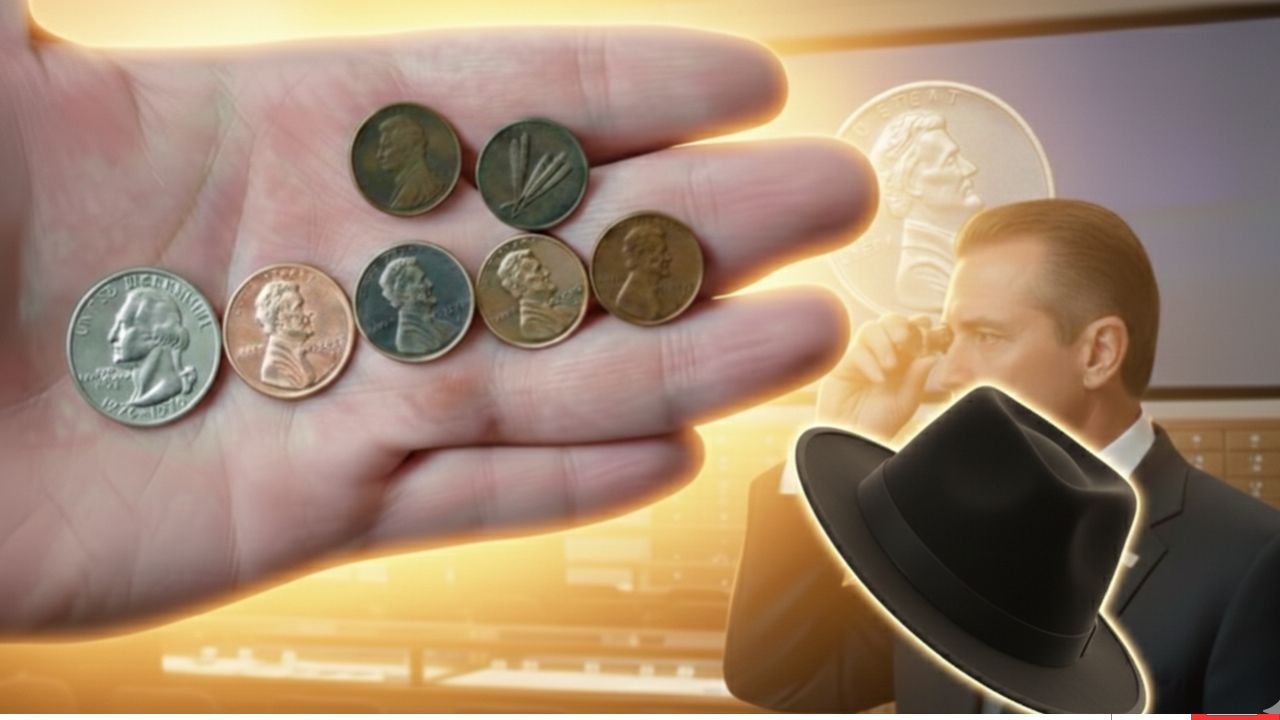
Wheat Penny Value: For many, the humble penny is just spare change. But for collectors, the Lincoln Wheat Cent is a pocket-sized portal to American history. Minted from 1909 to 1958, these coins bear the first portrait of a real person—Abraham Lincoln—on a regular-issue U.S. coin, a revolutionary design decision at the time. The two wheat stalks on the reverse, symbolizing national prosperity and agricultural bounty, have cemented its iconic status. More than metal, these coins are storytellers, echoing tales of economic shifts, wartime ingenuity, and the everyday life of a nation on the move.
What Gives a Wheat Penny Its Worth?
The value of a Wheat Cent is not a matter of chance but a combination of distinct factors that collectors carefully evaluate.
- Date and Mint Mark: Where and when a coin was struck is paramount. Coins from certain years or with specific mint marks from Denver (D) or San Francisco (S) were produced in far smaller quantities than those from Philadelphia (no mint mark). These lower-mintage issues are the cornerstones of any valuable collection.
- Condition and Grade: A coin’s state of preservation is everything. Professional grading services assess surfaces, wear, and luster on a 70-point scale. A coin graded Mint State (MS) or About Uncirculated (AU) will command exponentially more than the same coin in heavily worn, Good (G) condition. For high-value pennies, encapsulation by a service like PCGS or NGC provides authenticity and grade assurance.
- Rarity and Errors: Some coins are rare due to planned low production, while others become collector treasures because of minting mistakes. Famous errors, like the 1922 “No D” penny or the 1955 “Doubled Die,” are highly sought-after due to their unique stories and visual appeal.
- Market Demand: Ultimately, value is driven by collector interest. Key dates with compelling histories, like the 1909-S VDB or the 1914-D, consistently see strong demand, which sustains and increases their market value over time.
A Decade in Review Wheat Penny Value Trends
The market for Lincoln Wheat Cents has shown remarkable resilience and growth over the past ten years, particularly for condition-rarities and key dates. The table below illustrates this steady appreciation for a selection of notable coins.

| Coin Example (Date & Grade) | 2015 Approx. Value | 2020 Approx. Value | 2025 Approx. Value | Primary Driver of Value |
|---|---|---|---|---|
| 1909-S VDB (MS-63 Red) | $1,000 | $1,450 | $1,800+ | Iconic status, extremely low mintage for the series. |
| 1914-D (VF-20) | $150 | $200 | $250+ | One of the lowest regular-issue mintages. |
| 1931-S (XF-40) | $85 | $115 | $160+ | Low mintage from the Great Depression era. |
| 1943 Steel Cent (MS-63) | $10 | $15 | $25+ | Unique composition, historical wartime issue. |
| Common 1940s Cent (G-4) | $0.05 | $0.10 | $0.15 | Base value for bulk, circulated coins. |
The Modern Collector’s Perspective
Today, collecting Wheat Pennies is a vibrant and accessible hobby. New collectors often start by searching pocket change or building “coin albums,” filling slots for each date and mint mark—a practice known as “date and mintmark collecting.” This approachable method teaches history and numismatics firsthand. The rise of online marketplaces and auction platforms has democratized access, allowing collectors anywhere to buy, sell, and trade. Furthermore, the increased transparency provided by professional grading has built greater confidence, especially for significant purchases.
Caring for Your Collection
Preserving your coins is preserving their value and history. Always handle coins by their edges to avoid transferring oils from your skin. Store them in inert materials like acid-free paper holders, archival-quality plastic flips, or sealed hard plastic slabs. Avoid PVC-based plastic holders, as they can chemically damage coins over time. A stable, dry, and cool environment is ideal for long-term storage.
Frequently Asked Questions (FAQ)
Q: What is the most valuable Lincoln Wheat Penny?
A: The 1909-S VDB is generally considered the most famous and valuable key date. In high mint-state grades, it can be worth several thousand dollars. The 1943 bronze and 1944 steel error coins are also exceedingly rare and valuable.

Q: Are all wheat pennies worth more than face value?
A: Nearly all have some premium to collectors, but common dates from the 1940s and 1950s in heavily worn condition are often worth only a few cents each. Their value increases significantly with better condition or scarcer dates.
Q: What does “VDB” stand for?
A: VDB are the initials of Victor David Brenner, the sculptor who designed the Lincoln cent. They appeared tiny on the bottom of the reverse (tails side) on some 1909 coins and were controversially removed for a time before being restored to the obverse (heads side) in 1918.
Q: Why is the 1943 penny sometimes silver-colored?
A: In 1943, copper was needed for World War II efforts, so the Mint produced pennies from zinc-coated steel. These “steelies” are magnetic and have a distinctive silvery appearance, making them a unique and popular wartime issue.

Q: Is collecting wheat pennies a good investment?
A: While some coins have appreciated considerably, collecting should first be driven by passion and historical interest. Think of potential financial gain as a possible long-term benefit. Focus on acquiring the best-condition coins you can afford, particularly for key dates, as they have historically shown the strongest market performance.
The Road Ahead
The future for Lincoln Wheat Cents appears bright. As tangible pieces of history, they offer a stability and connection that modern digital assets cannot. While common circulated coins will likely see modest, gradual increases, the strong demand for rare dates and superb-condition examples is expected to continue. This enduring interest, passed from one generation of collectors to the next, ensures that the humble Wheat Penny will remain a cherished and vital part of American numismatics for years to come. Whether you’re sifting through a handful of change or bidding on a certified rarity, you’re participating in a living history, one cent at a time.