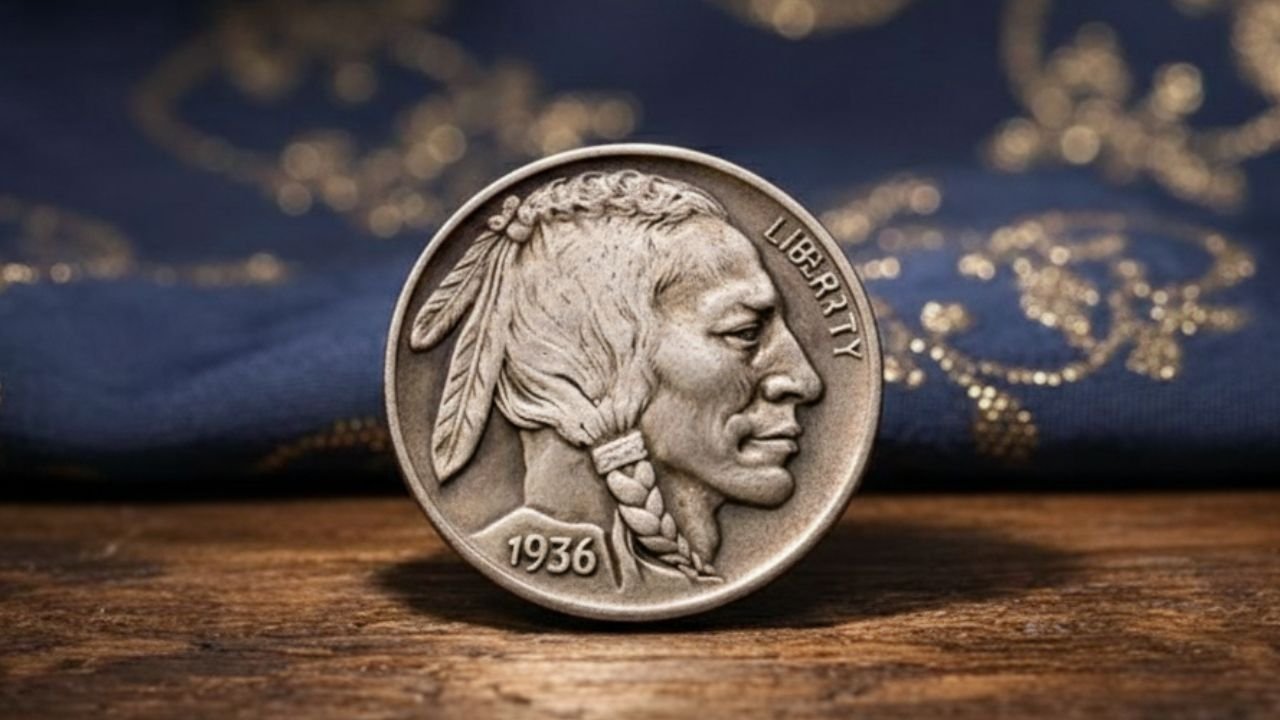
22 Rare Wheat Pennies: For over a century, the Lincoln Wheat Penny has been a cornerstone of American coin collecting. Minted from 1909 to 1958, these coins, with their iconic wheat stalks cradling the words “ONE CENT,” represent a tangible piece of 20th-century history. More than just old currency, they are a democratic collecting field where a rare find in an old jar can be a ticket to a fascinating hobby or a significant asset. In 2026, interest remains robust, driven by a blend of nostalgia, historical appreciation, and the thrill of the hunt for rare varieties. This guide explores the key dates, valuations, and practical knowledge for both new and seasoned collectors navigating the modern market.
The Historical Significance of the Wheat Penny
Introduced in 1909 to commemorate the 100th anniversary of Abraham Lincoln’s birth, the Wheat Penny was a revolutionary design. It was the first regular-issue U.S. coin to feature the portrait of a real person, moving away from the allegorical Liberty figures of the past. Designed by Victor David Brenner, the coin’s reverse, featuring two stylized wheat stalks, symbolized the nation’s agricultural prosperity. For nearly five decades, this design passed through the hands of millions, witnessing two World Wars and the Great Depression, before being replaced by the Lincoln Memorial reverse in 1959. Its longevity and ubiquitous presence in everyday life have cemented its place in the American cultural memory.
Lincoln Wheat Penny Key Information Table
| Attribute | Details |
|---|---|
| Years of Mintage | 1909–1958 |
| Designer | Victor David Brenner |
| Composition | 1909-1942, 1944-1958: 95% Copper, 5% Tin/Zinc 1943: Zinc-coated Steel |
| Weight | 3.11 grams |
| Diameter | 19 mm |
| Mint Marks | Philadelphia (None), Denver (D), San Francisco (S) |
| Key Dates/Rarities | 1909-S VDB, 1914-D, 1922 “No D,” 1931-S, 1955 Doubled Die |
| Primary Value Drivers | Mintage, Condition (Grade), Mint Mark, Rarity/Variety, Professional Certification |
| Where to Find | Estate Sales, Coin Dealers, Online Auctions, Inherited Collections, Coin Roll Hunting |
What Makes a Wheat Penny Valuable?
The value of a Wheat Penny is not determined by age alone. Instead, it is a careful equation of several factors. Mintage is primary; coins struck in lower quantities, often from the San Francisco (S) or Denver (D) mints, are inherently scarcer. Condition and grade are paramount—a coin with its original luster and minimal wear can be worth hundreds of times more than a heavily circulated one. Rarity and demand for specific dates or varieties, such as famous errors or low-survival issues, drive prices to their highest levels. Finally, authentication and grading by a reputable third-party service (like PCGS or NGC) provide market confidence and can significantly enhance a coin’s value and liquidity.
Notable and Valuable Wheat Penny Varieties
While every collection starts with common dates, knowledgeable collectors keep an eye out for these notable issues, which command premiums due to their scarcity and stories.
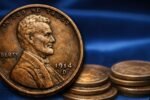
- The Legendary Key Dates: The 1909-S VDB is the undisputed king of the series, highly sought-after due to its low mintage and the controversy surrounding designer Victor David Brenner’s initials. The 1914-D is another famous rarity, with a tiny output that makes it a condition of any advanced collection. The 1922 “No D” Lincoln cent, where the Denver mint mark is missing, presents a fascinating error that is exceptionally rare in any state of preservation.
- The Notable Errors: Error coins tell a story of a moment in the minting process gone awry. The 1955 Doubled Die Obverse is one of the most dramatic and collectible errors in U.S. coinage, with clearly visible doubling on the date and lettering. The 1943 Bronze and 1944 Steel cents are historical anomalies; during WWII, pennies were struck on zinc-coated steel to conserve copper for the war effort, and the few mistakenly struck on the wrong planchet are incredibly valuable.
- High-Grade and Semi-Key Dates: Many coins from the 1930s, such as the 1931-S, have low survival rates in uncirculated condition due to the economic hardships of the era. Later issues like the 1955-S, while common in circulation, are prized by collectors when found with full, original “Red” mint luster, designated as RD (Red) by grading services.
Building and Valuing Your Collection
For new collectors, the journey often begins with searching rolls of pennies from the bank or sifting through inherited change. Acquiring a “coin folder” or album to house one coin from each date and mint mark is a rewarding and educational starting project. As interest grows, focus shifts to upgrading coins to higher grades or seeking certified examples of key dates.
To ascertain value, consult the latest edition of the “Red Book” (A Guide Book of United States Coins) for retail price guidance and review recent sold listings on major online auction platforms to understand the actual market. For any coin suspected of being a key date or high-value error, seeking authentication from a professional grading service is a critical step. It protects against counterfeits and provides an unbiased assessment of condition.
The Future of Wheat Penny Collecting
The future for Lincoln Wheat Pennies appears bright. As generational collections change hands, new enthusiasts are continually drawn to the series’ accessibility and rich history. The market has shown sustained growth for certified, high-quality specimens, while common dates in circulated condition remain the affordable entry point that fuels the hobby’s pipeline. In an increasingly digital age, the tangible connection to history that these coins provide ensures their status as a perennial favorite in numismatics. Whether valued for sentimental connection, historical intrigue, or financial investment, the Wheat Penny remains a deeply human artifact of a bygone America.
Frequently Asked Questions (FAQ)
Q: I found a 1943 penny that looks silver. Is it valuable?
A: Most 1943 pennies are made of zinc-coated steel and are very common, worth about 10 to 50 cents in circulated condition. However, if your 1943 penny is bronze (copper) in color, it is a major error and could be worth over $100,000. Conversely, a 1944 penny that looks silver (steel) is also a valuable error.
Q: What does “VDB” stand for and why is it important?
A: VDB are the initials of the coin’s designer, Victor David Brenner. They were placed on the reverse at the base of the wheat stalks in 1909 but were considered too prominent and removed mid-year. Their brief appearance, especially on the scarce 1909-S minted in San Francisco, created the series’ most famous and valuable coin.
Q: How can I tell if my 1955 penny is a doubled die?
A: The 1955 Doubled Die Obverse shows clear doubling that you can see with the naked eye, especially on the date, the inscription “LIBERTY,” and the words “IN GOD WE TRUST.” The numbers and letters will appear blurred or shadowed. If you suspect you have one, compare it to verified images online and consider professional authentication.
Q: Is it worth getting my wheat pennies graded?
A: For common, circulated dates, the cost of grading likely exceeds the coin’s value. Grading is most worthwhile for coins that are high-grade uncirculated, rare key dates, or major error varieties. The slab (holder) provides protection, authenticates the coin, and gives it a market-trusted grade, which enhances its value and saleability.
Q: Where is the best place to sell a valuable wheat penny?
A: Options include reputable local coin dealers, established online auction platforms like Heritage Auctions or eBay (with clear photos and description), or numismatic consignment companies. For extremely high-value coins (worth thousands), a major auction house is often the best avenue to reach serious collectors.