2026 High Value Pennies: While a penny may seem insignificant in daily transactions, within the vibrant community of coin collectors, it can represent a capsule of history, a piece of art, and occasionally, a surprising financial windfall. The year 2026 continues a long tradition of numismatic passion, with enthusiasts and historians alike sifting through change purses and old collections, hoping to find a rare piece that tells a unique story. This guide explores the fascinating realm of high-value pennies, offering insights for both new and seasoned collectors.
Beyond Face Value What Makes a Penny Rare?
The journey from one cent to thousands of dollars hinges on a few critical factors. Scarcity is the primary driver; pennies minted in small quantities, especially from certain branch mints, naturally become more sought-after over time. Condition, or grade, is equally crucial. A coin that has survived decades in pristine, uncirculated state is a minor miracle and is valued accordingly. Finally, unique attributes like striking errors or historically significant varieties create stories that fuel collector demand. It’s this combination of rarity, preservation, and narrative that transforms ordinary currency into an extraordinary collectible.
Key Dates and Mint Marks The Legendary Rarities
Certain pennies have achieved legendary status in numismatic circles due to their elusive nature. These coins are often the “holy grails” that collectors dream of finding.
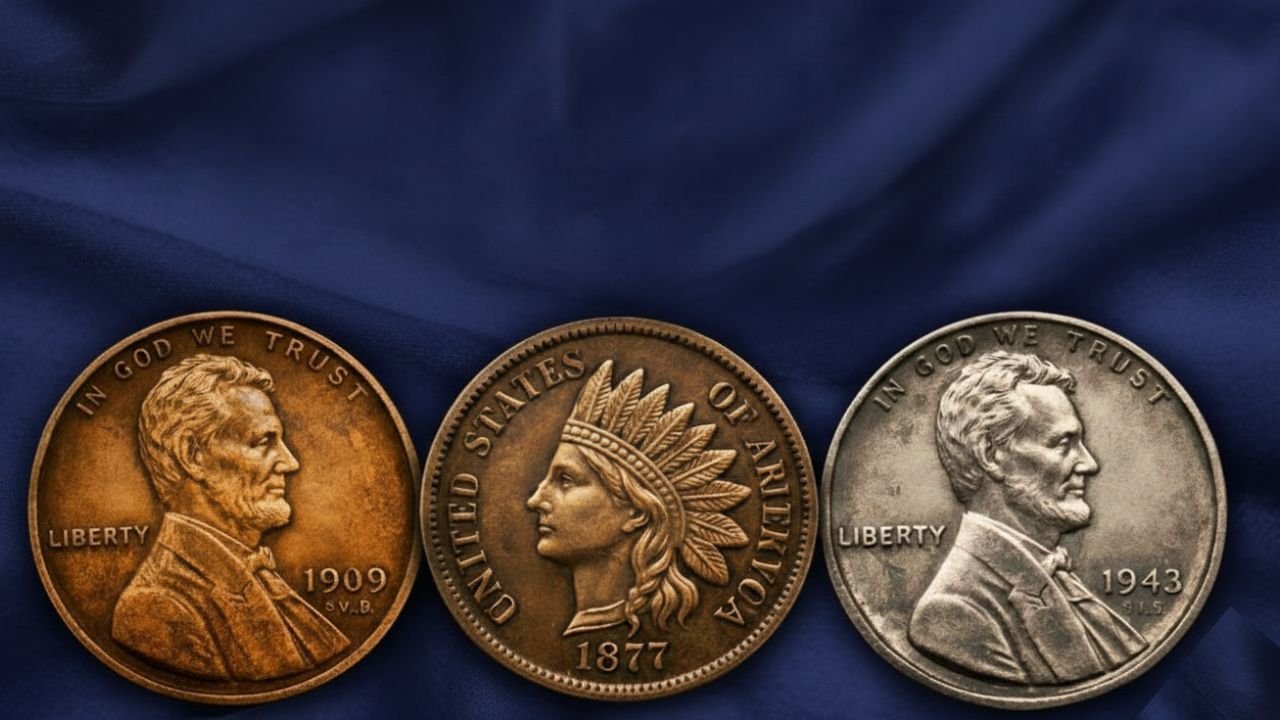
- The 1909-S VDB Lincoln Cent is a perennial superstar. Issued in the first year of the Lincoln series, it combines a low mintage from the San Francisco Mint (“S”) with the designer’s initials (VDB) on the reverse, creating a perfect storm of collectibility.
- The 1914-D Lincoln Cent is another cornerstone rarity, with the Denver Mint producing a very limited number that year, making any surviving examples highly valuable.
- The 1922 “No D” Lincoln Cent is a fascinating variety. Due to a die error, pennies struck at the Denver Mint that year appear to have no mint mark at all, making them appear as Philadelphia-minted coins and creating a scarce and desirable anomaly.
- The 1955 Double Die Obverse remains one of the most famous error coins. The dramatic doubling of the date and lettering is visible to the naked eye, making it a striking and coveted piece of minting history.
The Allure of Error Coins Mistakes Worth a Fortune
Error coins hold a special place in collecting, as they are one-of-a-kind accidents that slipped through the U.S. Mint’s quality control.
- Double Dies and Repunched Mint Marks: These occur when the coin die shifts between strikes, creating a distinct, overlapping “ghost” image of the design elements.
- Off-Center Strikes: These coins were misaligned in the press, resulting in a blank portion of the planchet and an off-center image. The value increases with the percentage of the off-center strike.
- Wrong Planchet Errors: These are perhaps the most dramatic errors, where a coin is struck on a blank meant for another denomination, like a penny struck on a dime planchet.
Strategies for the Modern Collector in 2026
Building a meaningful collection requires both knowledge and a bit of luck. Successful collectors often employ a few key tactics. “Coin roll hunting” — searching through bank-wrapped rolls of pennies — remains a popular and affordable way to find older circulating coins. Carefully examining inherited collections with a magnifying glass and a good reference guide can reveal overlooked treasures. Furthermore, engaging with the community at local coin shows or reputable online forums provides invaluable education and opportunities to trade with other enthusiasts.
The Critical Role of Professional Coin Grading
For any potentially valuable coin, professional grading is a non-negotiable step. Reputable third-party services authenticate the coin, assess its condition on the 70-point Sheldon Scale, and encapsulate it in a tamper-evident holder. This process, known as “slabbing,” provides buyers and sellers with a universal standard of quality, ensuring authenticity and protecting the coin’s state. A grade difference of just a few points can mean a difference of hundreds or thousands of dollars in value.
2026 Numismatic Market Overview
The market for classic U.S. coins, including pennies, remains robust in 2026. Digital platforms have globalized the hobby, connecting buyers and sellers seamlessly and creating transparent pricing. There is a noticeable trend towards collectors seeking coins with exceptional eye appeal and original surfaces, even over those with slightly higher technical grades. While key dates and major errors continue to break auction records, the market also shows strong support for well-preserved examples of more common coins, making it an accessible hobby at multiple investment levels.
2026 High-Value Penny Reference Table
| Coin Name (Example) | Key Feature | Mintage / Rarity | Estimated Value Range (Circulated to Mint State) |
|---|---|---|---|
| 1909-S VDB Lincoln Cent | First year, San Francisco Mint, designer’s initials | 484,000 minted | $600 – $4,500+ |
| 1914-D Lincoln Cent | Low mintage from Denver Mint | 1.2 million minted | $200 – $3,000+ |
| 1922 “No D” Lincoln Cent | Missing Denver mint mark due to die error | Variety, not a separate mintage | $500 – $10,000+ |
| 1955 Double Die Obverse | Dramatically doubled date and lettering | Famous error variety | $1,500 – $25,000+ |
| 1943 Bronze Lincoln Cent | Struck on bronze planchet instead of steel | Extremely rare error | $150,000 – $1,000,000+ |
| 1944 Steel Lincoln Cent | Struck on steel planchet instead of bronze | Very rare error | $75,000 – $500,000+ |
| 1969-S Doubled Die Obverse | Prominent doubling on obverse | Modern rare error | $50,000 – $75,000+ |
| 1992 Close “AM” Reverse | Letters A and M in “AMERICA” are nearly touching | Popular modern variety | $10 – $500+ |
Note: Values are estimates and can fluctuate based on market demand, exact grade, and auction results. Always consult a current price guide or professional appraiser.
Frequently Asked Questions (FAQ)
Q: I found an old penny. What’s the first thing I should do?
A: Handle it carefully by the edges to avoid transferring oils from your skin. Gently clean it with warm water and mild soap if it’s dirty, but never aggressively scrub or polish it, as this destroys value. Then, compare its date and mint mark (found on the obverse under the year) to a reputable online resource or guidebook.
Q: Are pennies from before 1982 really more valuable?
A: They are more valuable for their metal content, as they are made of 95% copper. While a single pre-1982 penny is worth about 2-3 cents in melt value (though melting them is illegal), this doesn’t make them rare numismatically. Their value as collectibles still depends on date, mint mark, and condition.
Q: Where is the best place to sell a rare penny?
A: Options include reputable local coin dealers, established national coin dealerships, or major numismatic auction houses like Heritage Auctions or Stack’s Bowers. For very high-value coins, getting it professionally graded first will typically maximize your return and buyer confidence.
Q: What does “MS-65” or “AU-58” mean?
A: These are coin grades. MS stands for “Mint State” (uncirculated), with numbers from 60-70 indicating the level of perfection within that category. AU stands for “About Uncirculated,” meaning a coin with only the slightest traces of wear. Grades like VG, F, and XF denote various levels of circulation wear.
Q: How can I avoid buying a counterfeit coin?
A: Purchase from reputable, established dealers who offer a lifetime guarantee of authenticity. For raw (un-graded) coins, especially key dates, invest in a good magnifying loupe and educate yourself on the specific diagnostics of that coin. When in doubt, the safest route is to buy coins that have already been authenticated and graded by PCGS or NGC.
Q: Is penny collecting a good investment?
A: It can be a rewarding store of value, but it should primarily be pursued for the enjoyment of history, art, and the thrill of the hunt. Market values can fluctuate. The best approach is to buy the highest-quality coins you can afford, focus on genuine rarities, and be prepared to hold them for the long term.
The world of penny collecting is a testament to the idea that significance is not dictated by size. Each small coin is a tangible piece of a nation’s story, and the search for the rare ones adds a layer of detective work to everyday life. In 2026, this pursuit remains a deeply engaging hobby that blends history, economics, and the simple joy of discovery.