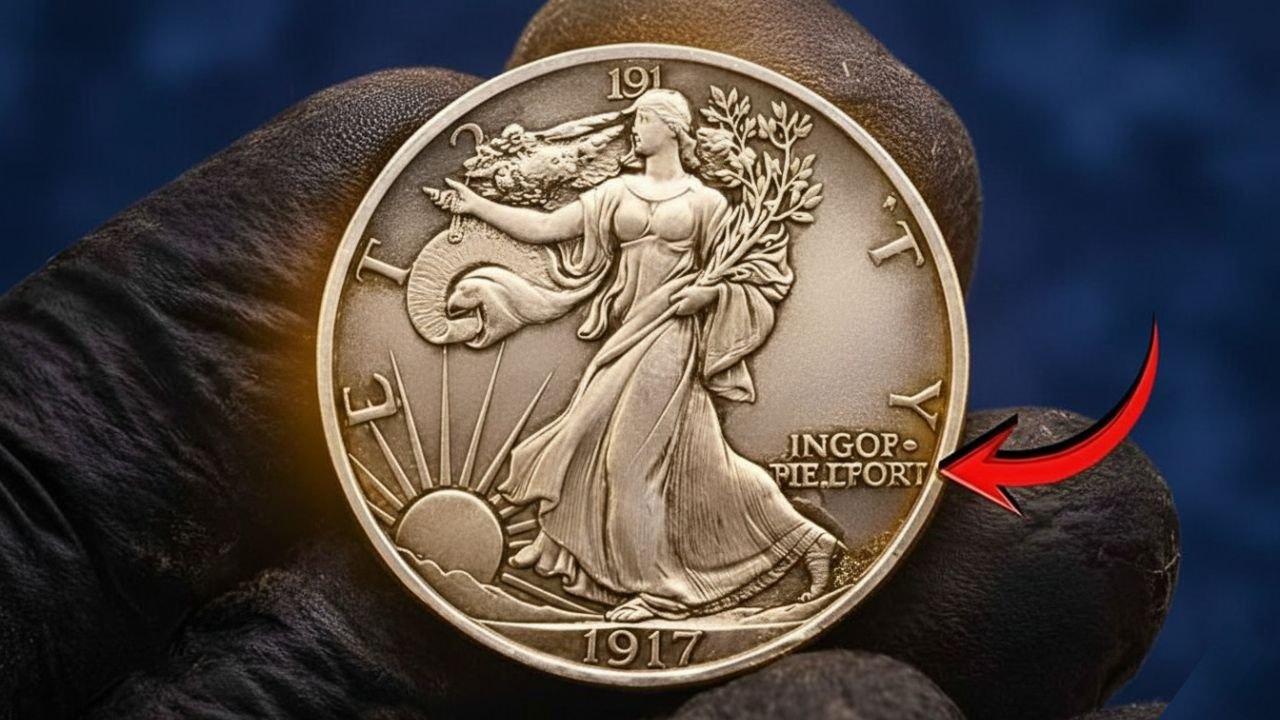
1917 Walking Liberty Half Dollar: The 1917 Walking Liberty Half Dollar stands as a testament to American artistry and historical resilience. Struck during a pivotal year of global conflict, this silver coin captures a moment of national determination through its exquisite design. For collectors and historians alike, it represents more than currency; it is a piece of tangible heritage, a work of art, and a potential treasure that continues to surface in the most unexpected places. Its journey from pocket change to prized collectible underscores a universal truth: value is often woven into the fabric of everyday objects, waiting to be recognized.
Historical Significance of the 1917 Coinage
The year 1917 marked America’s decisive entry into World War I. In this atmosphere of patriotism and mobilization, the Walking Liberty Half Dollar entered circulation. Designed by renowned sculptor Adolph A. Weinman, the coin’s imagery was a powerful symbol of the era’s ideals. Lady Liberty, depicted in confident motion toward the dawn, represented the nation’s forward-looking hope, while the majestic eagle on the reverse symbolized strength and readiness. Minted in 90% silver, these coins were part of daily commerce, witnessing the home front efforts and sacrifices of the early 20th century. Today, each surviving piece serves as a metallic chronicle of that transformative time.
Design Elements and Artistic Merit
Weinman’s design is celebrated for its exceptional beauty and intricate detail. The obverse (front) features a full-length figure of Liberty draped in the American flag, with her right hand outstretched and branches of laurel and oak cradled in her left arm. The word “LIBERTY” arcs above her, with the motto “IN GOD WE TRUST” and the year “1917” positioned alongside. The reverse showcases a majestic eagle standing on a rocky outcrop, wings half-lifted as if about to take flight. The inscriptions “UNITED STATES OF AMERICA” and “HALF DOLLAR” frame the scene. The artistry lies in the fluidity of Liberty’s gown and the eagle’s lifelike posture, making it a standout in numismatic history.
Varieties, Mint Marks, and Rarity
The 1917 issue is particularly fascinating due to a mid-year change in mint mark placement, creating distinct varieties sought by collectors.
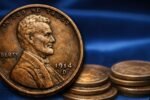
- Obverse Mint Marks (Early 1917): The mint mark (‘D’ for Denver or ‘S’ for San Francisco) is located on the obverse, below “IN GOD WE TRUST.” Philadelphia issues have no mint mark.
- Reverse Mint Marks (Late 1917): The mint mark was moved to the reverse, on the lower left near the eagle’s talons.
This dual-variety year adds a layer of challenge and excitement for collectors aiming to complete a set. Generally, the reverse-mint-mark varieties, especially from the Denver and San Francisco mints, are scarcer in high grades.
1917 Walking Liberty Half Dollar Key Data Table
| Feature | Detail |
|---|---|
| Years Minted | 1916-1947 (1917 issue discussed) |
| Designer | Adolph A. Weinman |
| Metal Composition | 90% Silver, 10% Copper |
| Weight | 12.5 grams |
| Diameter | 30.6 mm |
| Mints (1917) | Philadelphia (no mint mark), Denver (D), San Francisco (S) |
| Key Varieties | Obverse Mint Mark & Reverse Mint Mark types |
| Face Value | $0.50 (Fifty Cents) |
Understanding Modern Value and Collectibility
A 1917 Walking Liberty Half Dollar’s value spans a wide spectrum, from its intrinsic silver value (approximately $8-$10 based on silver content) to five or six figures for the finest known specimens. Value is primarily driven by three factors:
- Condition (Grade): A coin’s state of preservation is paramount. A heavily worn coin may be worth little over melt value, while a pristine, uncirculated example with full detail and original luster can be worth thousands.
- Mint and Variety: The 1917-S with the obverse mint mark and the 1917-D reverse mint mark are among the key semi-key dates, commanding higher premiums.
- Market Demand: Collector trends and auction results continuously shape the market. Professionally graded coins (by services like PCGS or NGC) carry more assurance and typically higher value.
While “huge money” headlines often refer to flawless gems (graded MS-65 or higher), finding a coin in average circulated condition is more common and still offers an affordable entry into collecting this iconic series.
The Joy of Numismatic Discovery
Part of the enduring appeal of the Walking Liberty series is the possibility of discovery. These coins circulated for decades, and many were saved in jars, albums, or passed down through families. Examining inherited change or an old collection can sometimes reveal one of these silver treasures. This aspect connects generations and turns a hobby into a personal journey through history. It serves as a reminder to look closely—the artifacts of our shared past are often closer than we think.
Preserving History Through Collecting
Collecting coins like the 1917 Walking Liberty Half Dollar is an act of preservation. It safeguards artistic achievement and historical narrative from being lost or melted down. Each collector becomes a custodian of culture, ensuring that future generations can hold and appreciate these tangible links to the past. Beyond potential financial appreciation, the true reward is the connection fostered—to history, to artistry, and to the countless hands through which the coin has passed.
Frequently Asked Questions (FAQ)
Q: How much silver is in a 1917 Walking Liberty Half Dollar?
A: It contains 0.36169 troy ounces of pure silver, due to its composition of 90% silver and 10% copper.
Q: What is the most valuable 1917 Walking Liberty Half Dollar?
A: The highest values are for coins in superb gem condition (MS-66 or higher), particularly the 1917-S Obverse Mint Mark and 1917-D Reverse Mint Mark varieties in top grades. These can fetch tens of thousands of dollars at auction.
Q: Can I still find one of these in circulation today?
A: While extremely rare due to their silver content, it is not impossible. Most were pulled from circulation decades ago, but surprises still occur in old rolls of coins or estate holdings.

Q: Where is the mint mark on a 1917 coin?
A: It depends on the variety. Look first on the obverse below “IN GOD WE TRUST.” If not there, check the reverse on the lower left near the eagle’s talons. Philadelphia coins have no mint mark.
Q: Should I clean an old, tarnished Walking Liberty half dollar I found?
A: No. Cleaning a coin, even with gentle polishes, almost always damages its surface and drastically reduces its numismatic value to collectors. It is best to leave it in its found state or consult a professional conservator.
Q: How do I get my coin graded?
A: You can submit it to professional grading services like the Professional Coin Grading Service (PCGS) or the Numismatic Guaranty Company (NGC). They will encapsulate it in a sonically sealed holder with a grade and authenticity guarantee.
Q: What does “Prooflike” mean for this coin?
A: A prooflike coin has deeply mirrored surfaces and frosted design elements, resembling a proof coin. These were struck from highly polished dies and are much rarer and more valuable than standard business strikes.